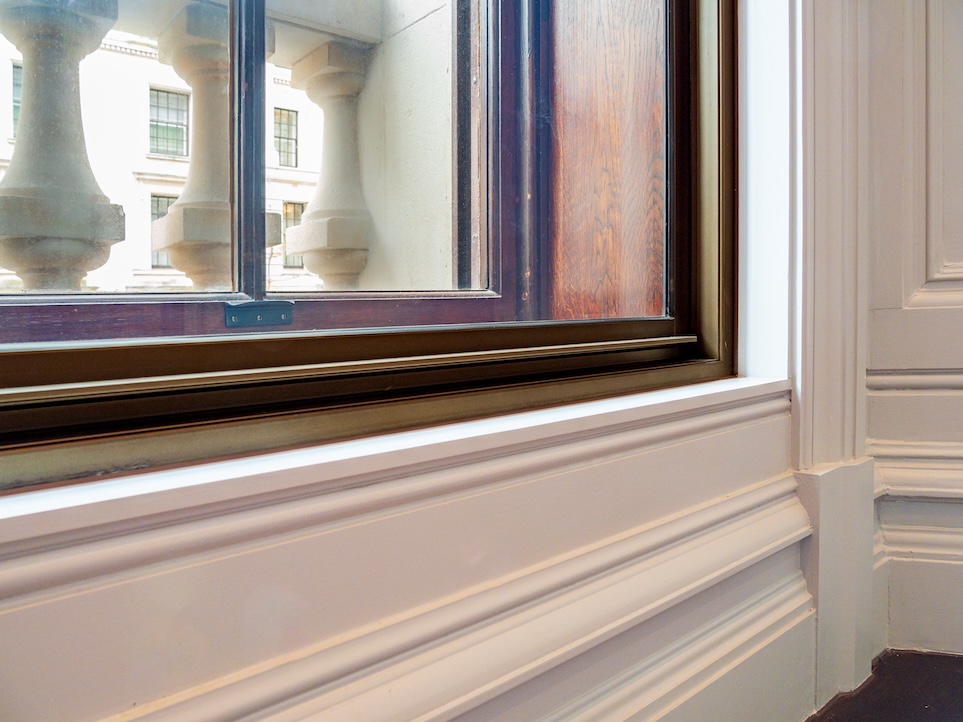
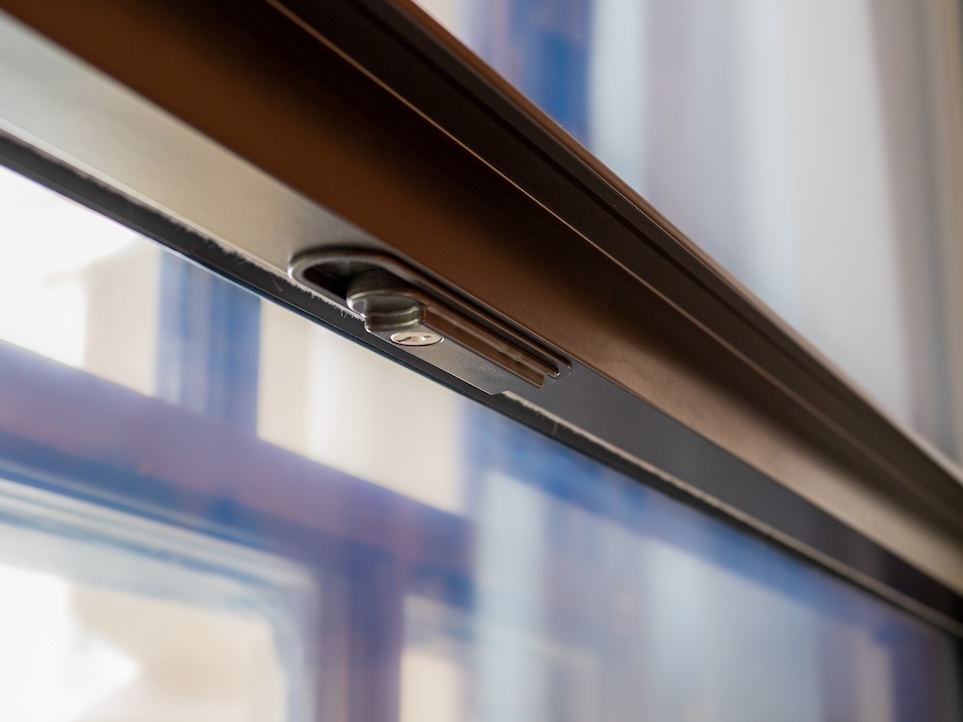
Designing secondary glazing that is both effective and sympathetic to the character of a building - especially heritage or listed properties - requires a careful balance of aesthetics, performance and practicality. Here’s a deeper look at the key considerations.
- Date
- Category
- Secondary Glazing in Practice
- Tags
- design advice
Sightlines
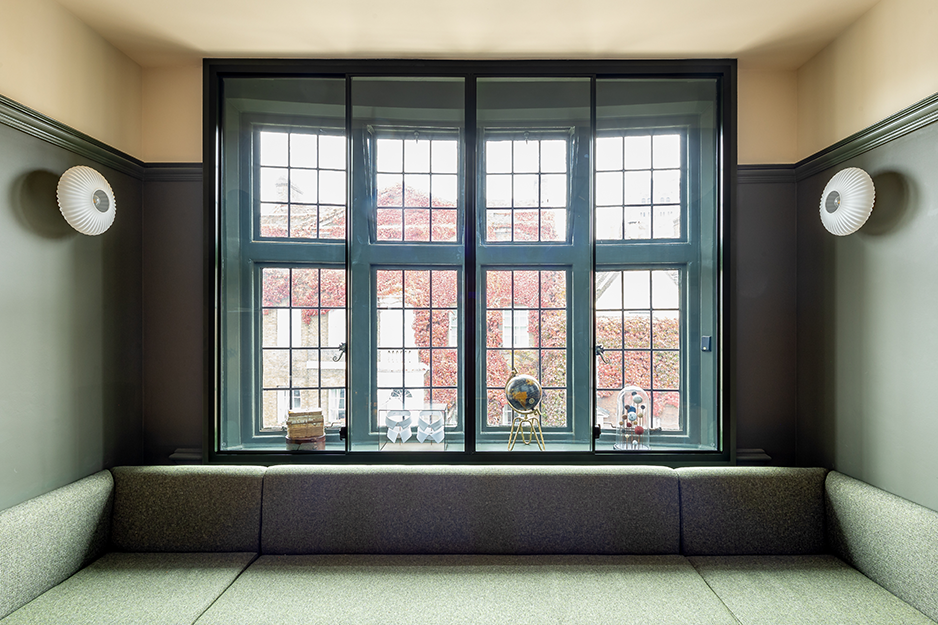
To maintain the architectural integrity of a building, you should aim to avoid introducing new or disruptive sightlines. The secondary glazing should align with the existing lines of the primary windows. For larger or unusually shaped windows, bespoke coupling sections can help maintain consistent sightlines across multiple units. While matching styles - such as using vertical sliding units for sash windows - is often optimal, exploring other complementary options can sometimes result in an even better fit, both visually and functionally. For example, a well-chosen casement secondary unit can harmonise with a sash primary window in certain contexts. Avoid defaulting to identical styles, as this isn’t always the best approach - using casement secondary glazing for casement primary windows, for instance, is generally not recommended. To ensure the best aesthetic and functional outcome, speak to our experts for tailored guidance.Frames
Slimline frames are ideal for a discreet finish, especially in heritage settings. However, if your project demands significant acoustic insulation, high thermal performance or enhanced security, you may need to opt for mid-range or heavy-duty frames that can accommodate thicker glass. When treating large or monumental windows, it may be tempting to choose the slimmest possible frame for minimal visual impact. However, in practice, slightly thicker frames often appear more proportionate to the scale of the window and surrounding architecture. This proportionality can actually make the installation feel more discreet and visually balanced, rather than under-scaled or insubstantial. Selectaglaze offers a wide range of frame profiles - including curved and shaped options - designed to blend seamlessly with the existing architecture while meeting performance and aesthetic goals.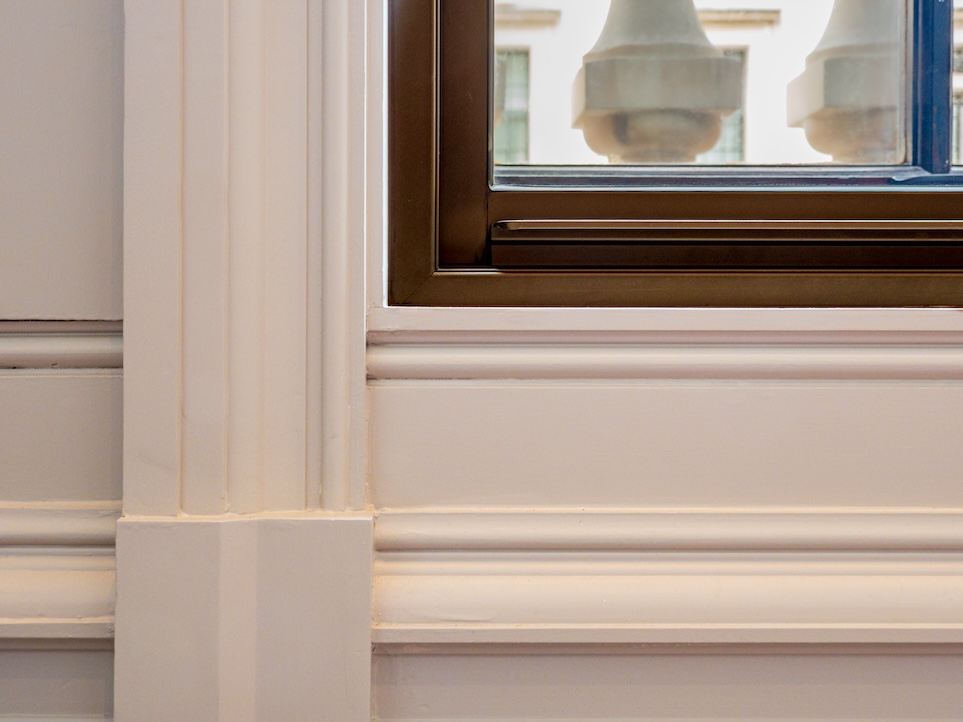
Colour
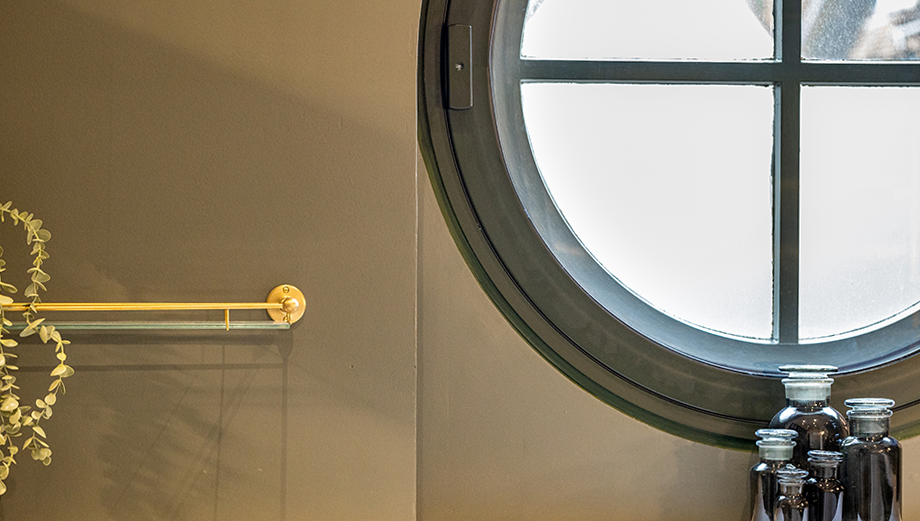
Colour matching is crucial for a sympathetic installation. Frames can be powder-coated in any RAL colour or finished with wood-grain effects to complement either the primary window frames or the surrounding wall. In addition to painted finishes, bronze anodised frames offer a timeless, elegant alternative that blends well with traditional architectural styles. This finish provides durability and a warm metallic tone that can enhance the heritage character of a building. For listed buildings, subtlety is key - consulting with a conservation officer can help ensure your colour choices meet approval while still achieving a refined look. Bear in mind that opting for bespoke colour choices will extend lead times. However, if you're not working to strict deadlines, this more tailored approach delivers a finish that’s often worth the wait.Cavity
The gap between the primary and secondary glazing - known as the cavity - plays a critical role in performance. A minimal cavity is visually preferable but for superior acoustic insulation, a larger gap is more effective. We recommend striking a careful balance between visual discretion and performance requirements. Our expert team provides tailored guidance for each project, ensuring optimal results without compromising on design integrity.