Fixing methods
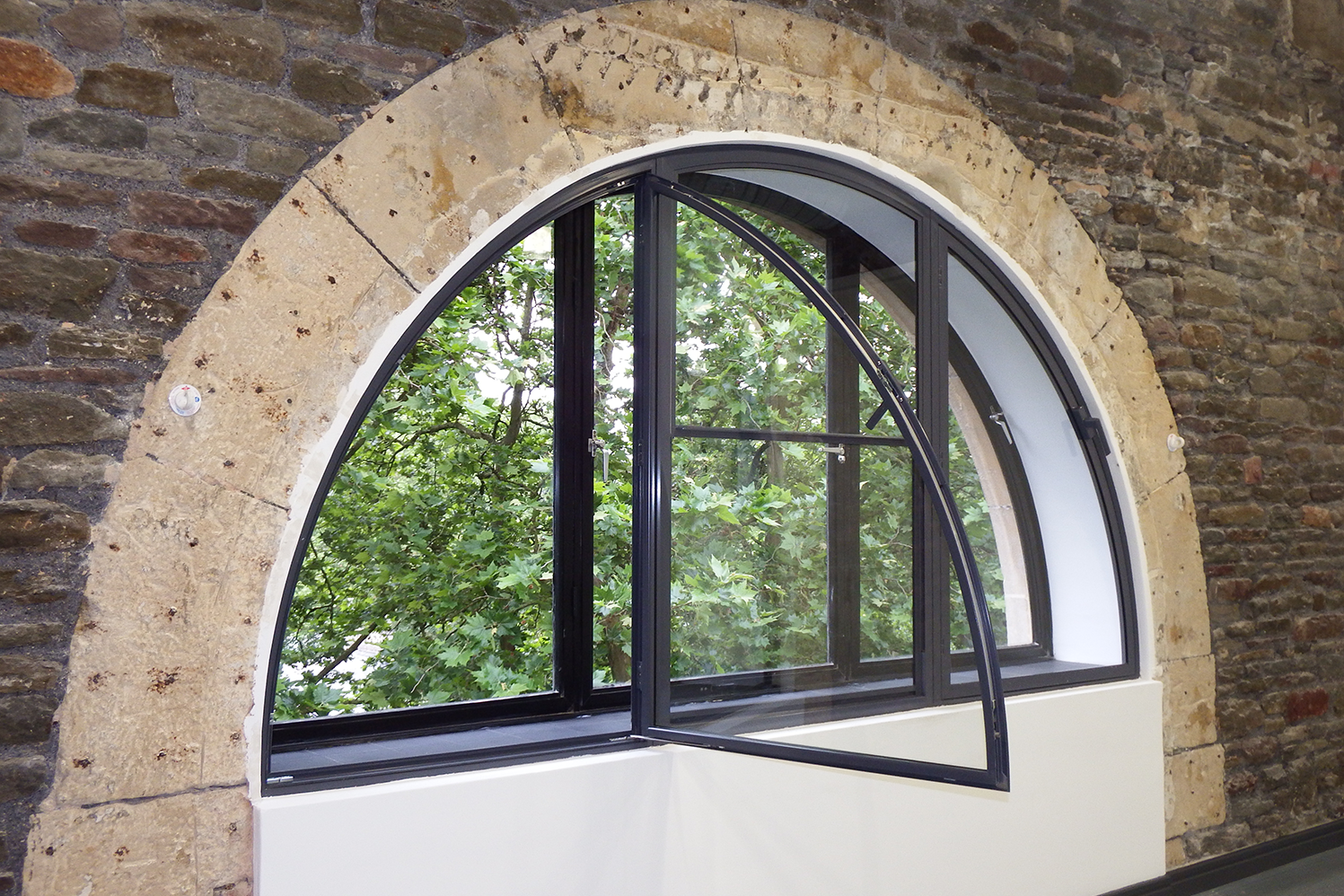
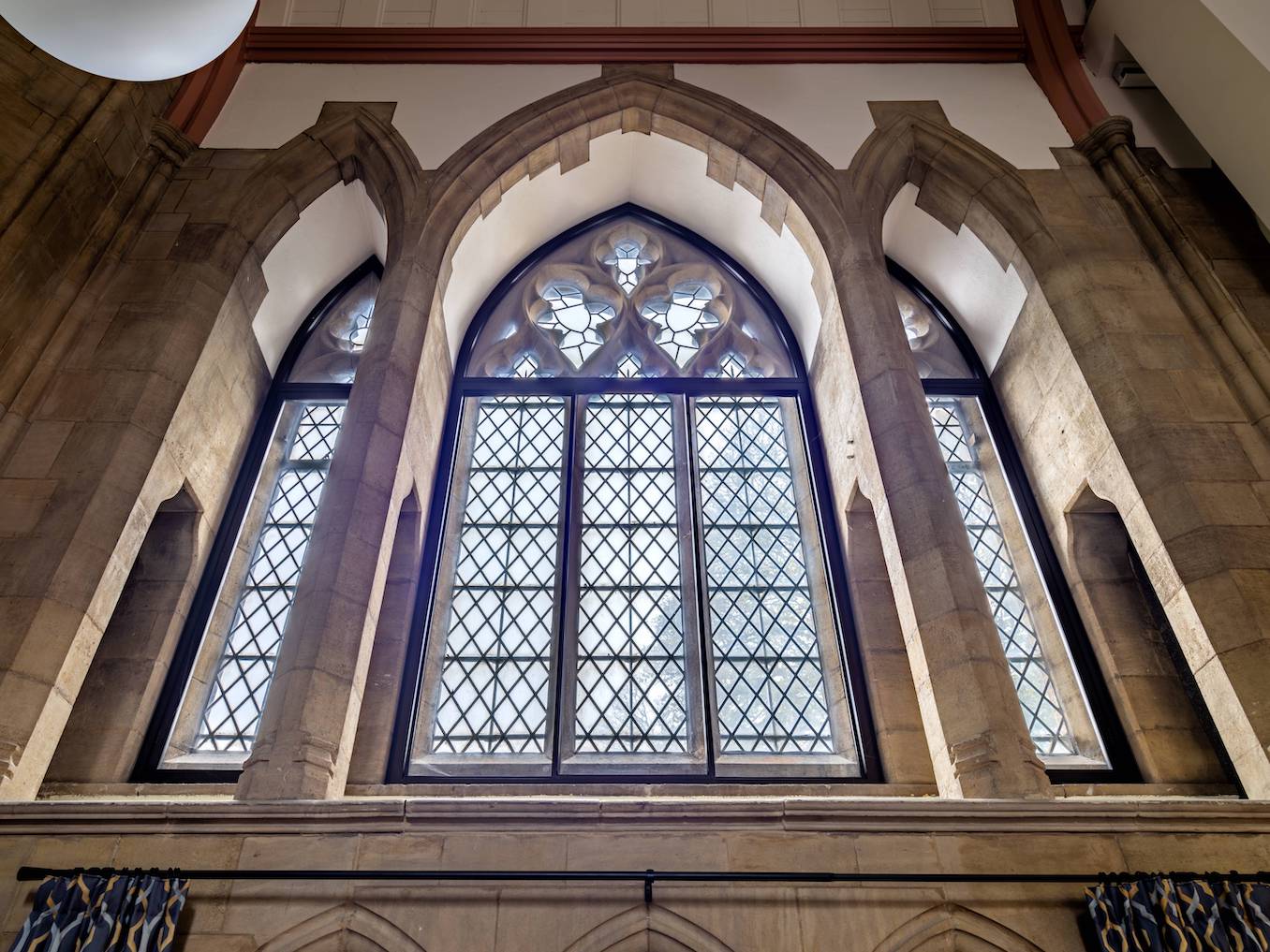
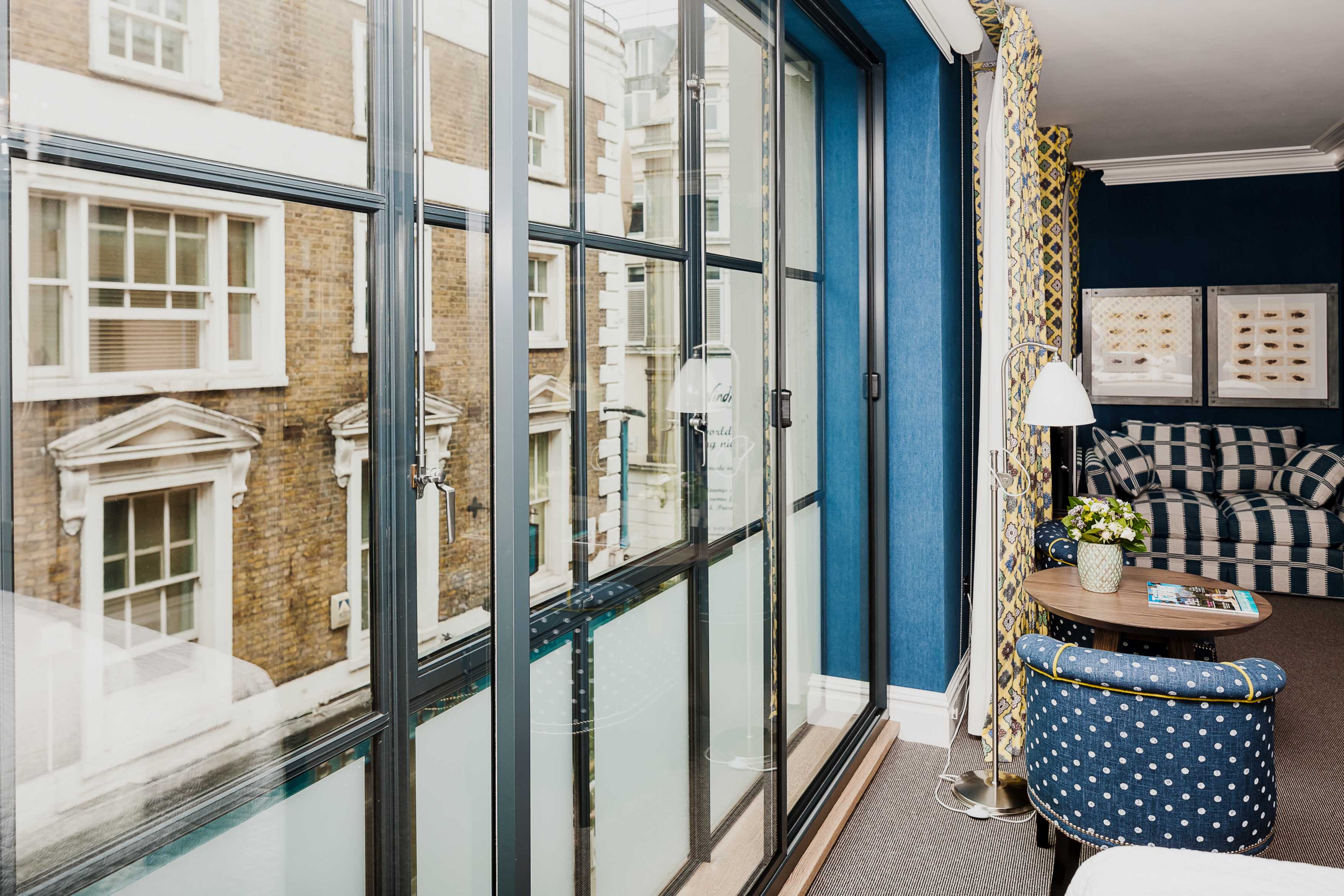
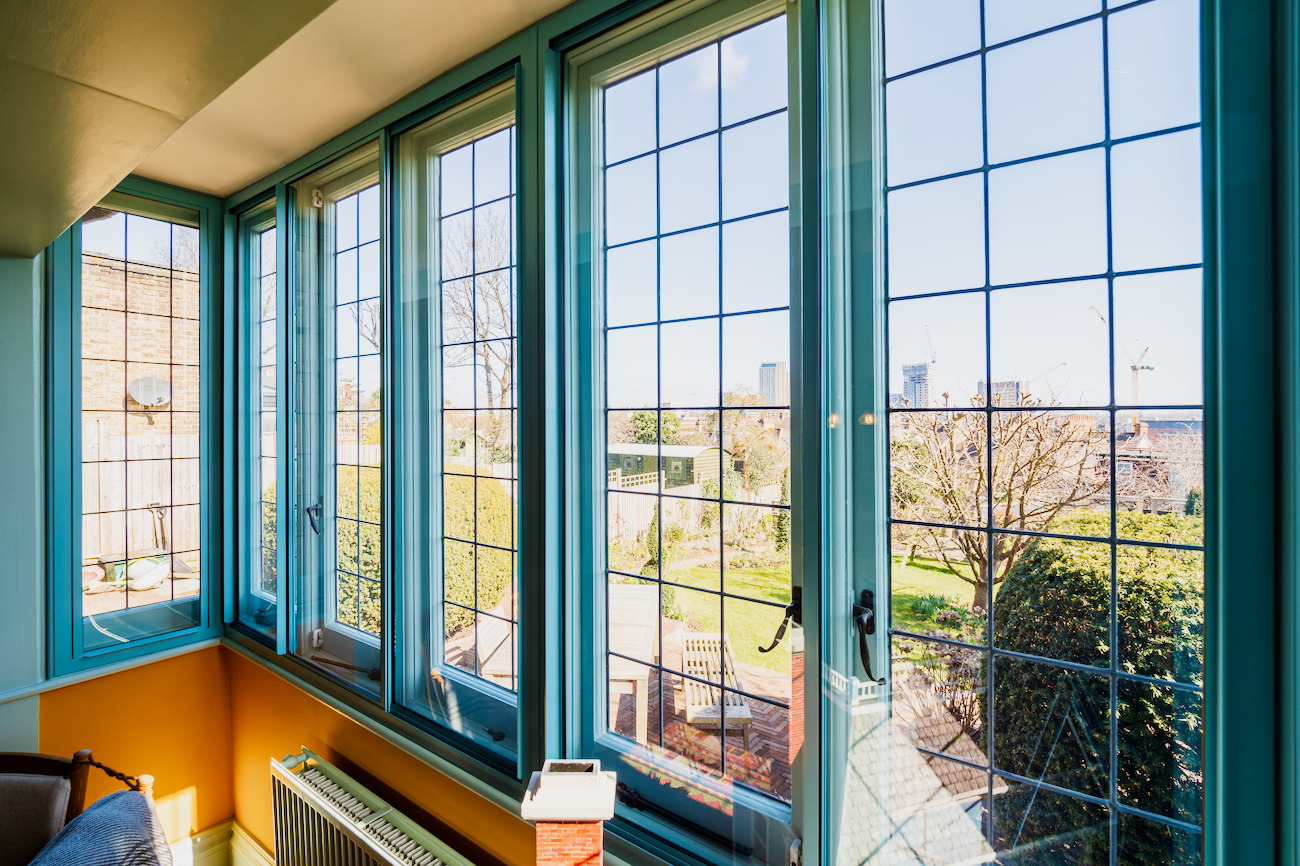
Secondary glazing can be fitted to almost any window reveal, thanks to a range of clever fixing methods developed by Selectaglaze. Window reveals are rarely uniform on all sides, so we create a bespoke timber subframe that forms a tight fit for our secondary glazing frames to sit against. These frames are also custom-built and finished in polyester powder paint in a wide range of RAL colours, including flat, metallic, textured and wood-grain effects. This helps the secondary glazing sit discreetly against the primary window. In many cases it can even enhance the existing window. Read on to see a gallery of secondary glazing installations across a range of different window types. If you'd like to see how we would approach your project, speak to our technical sales team.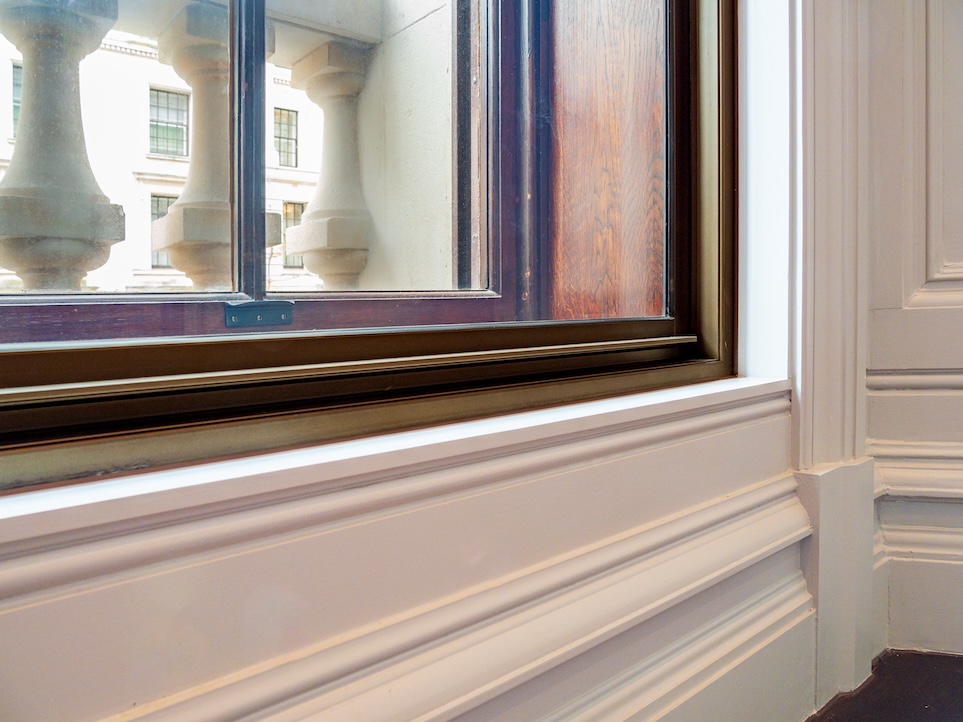
Standard fix: a straightforward fit
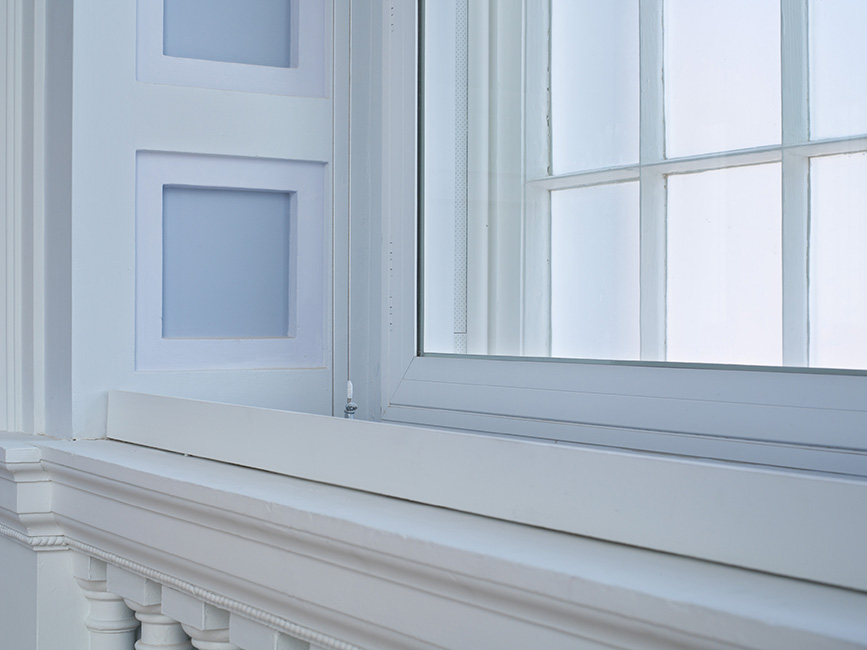
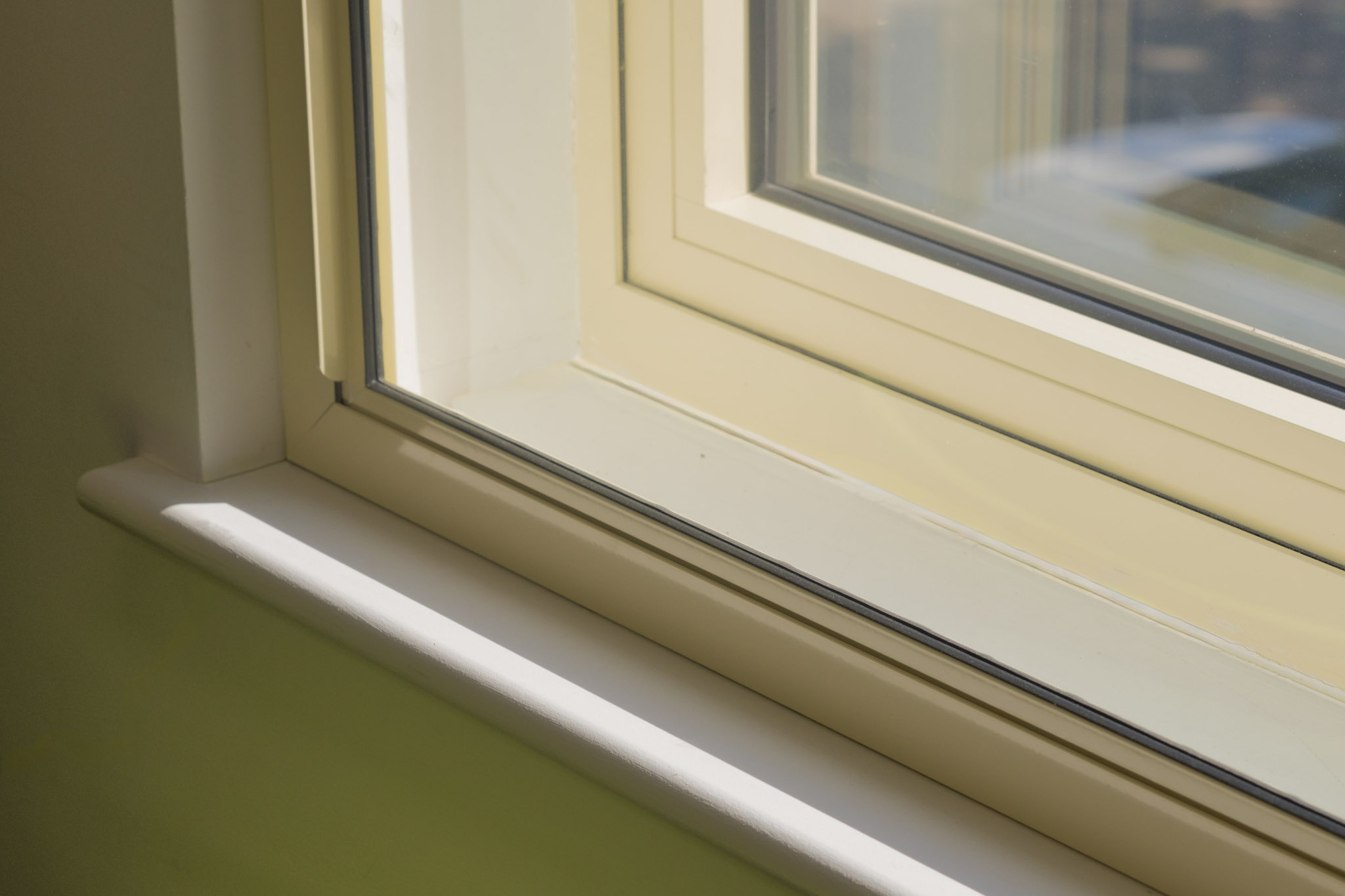
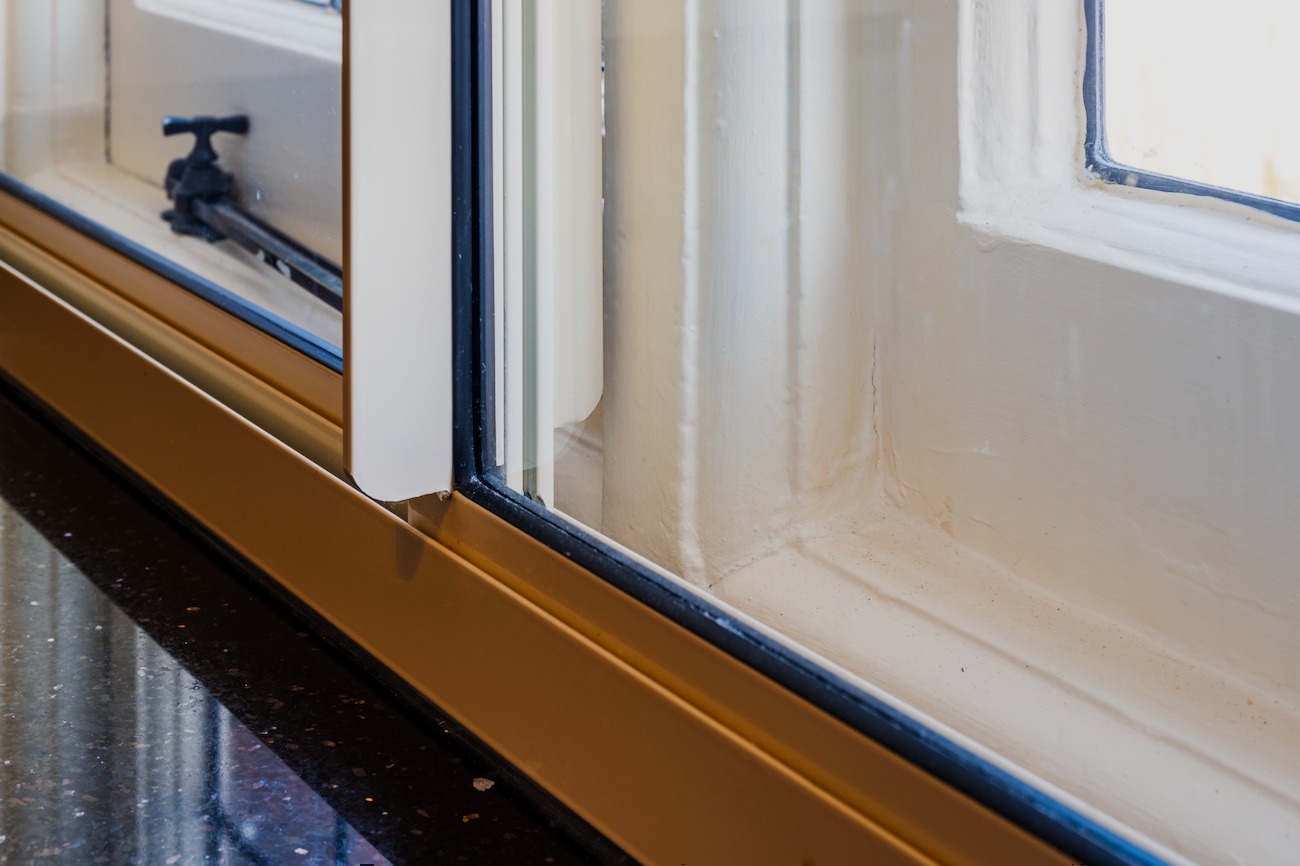
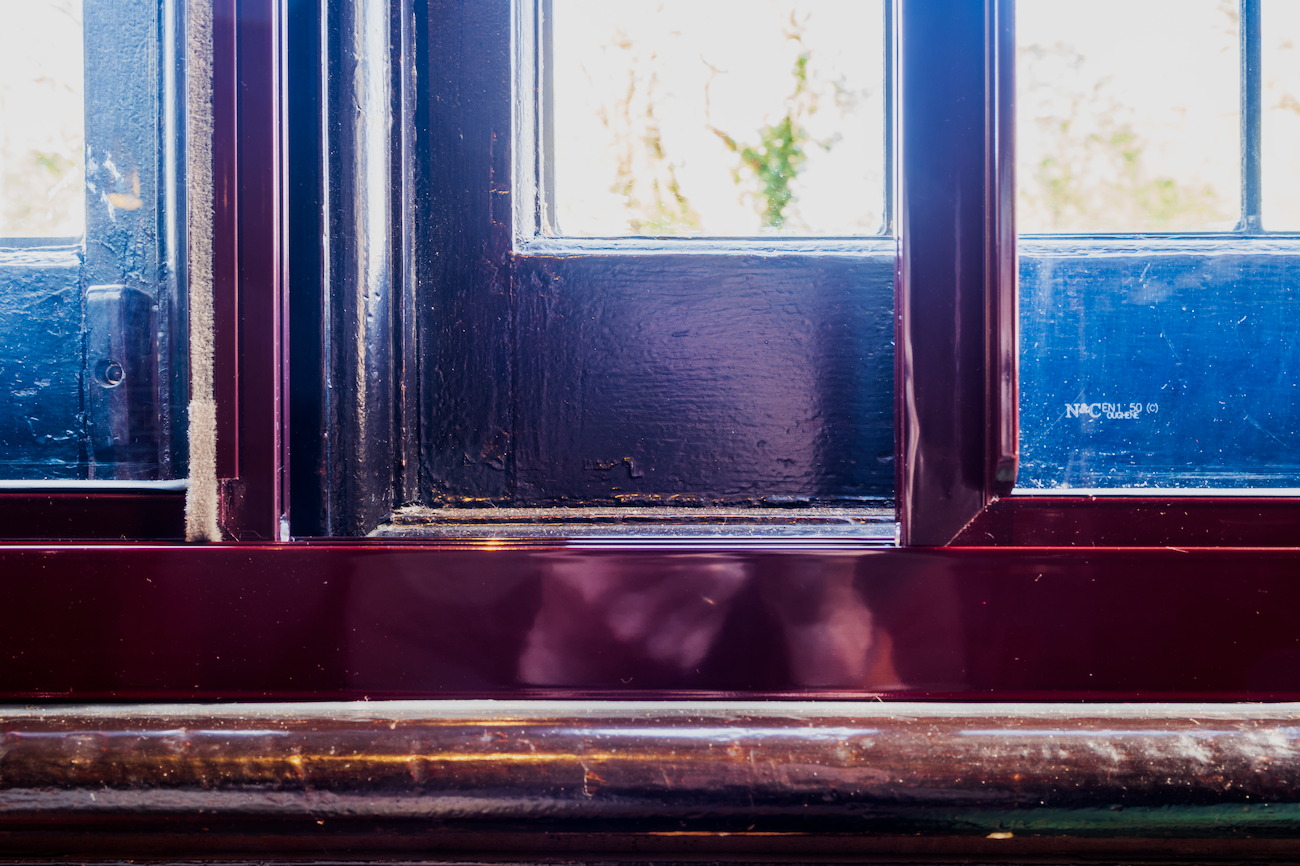
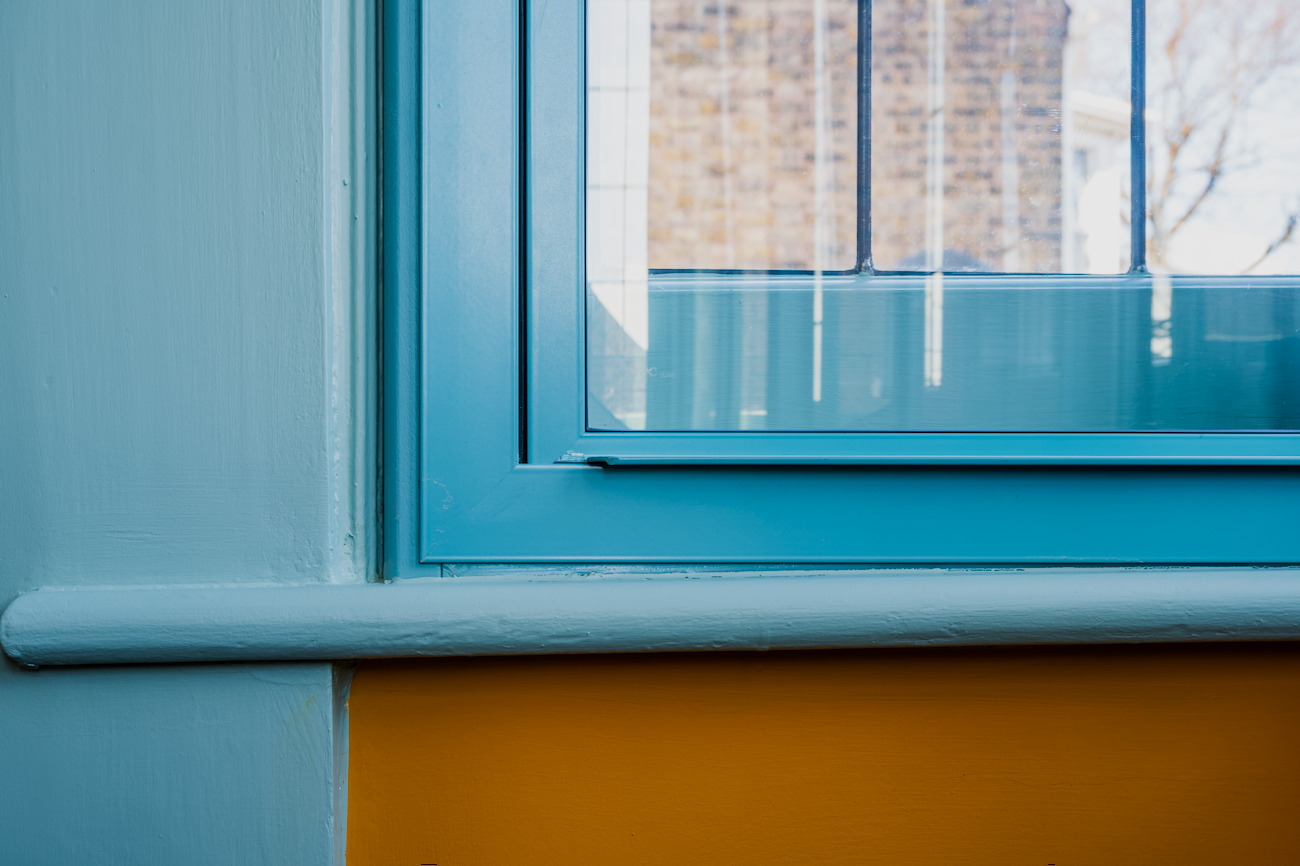
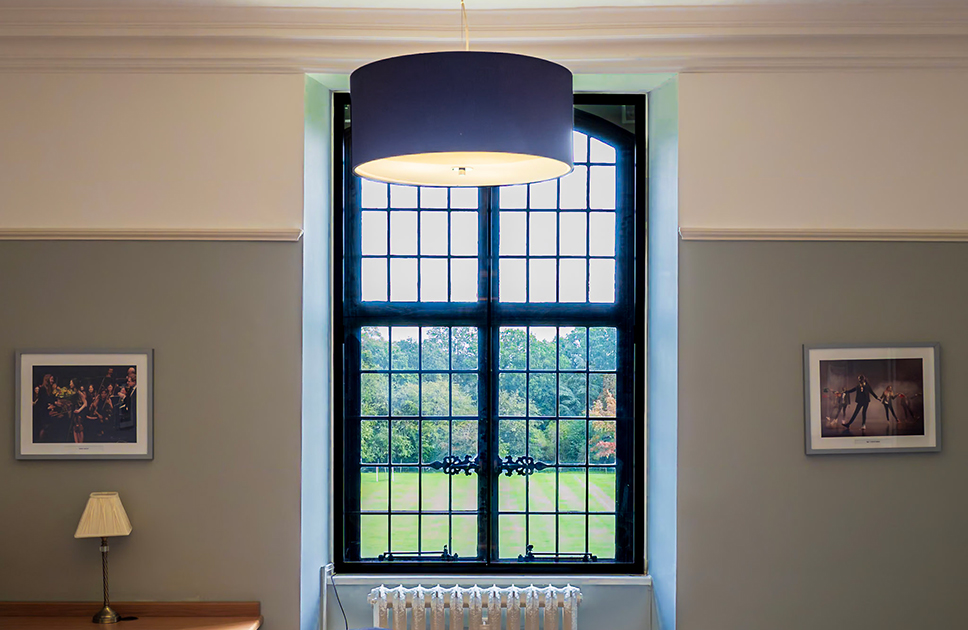
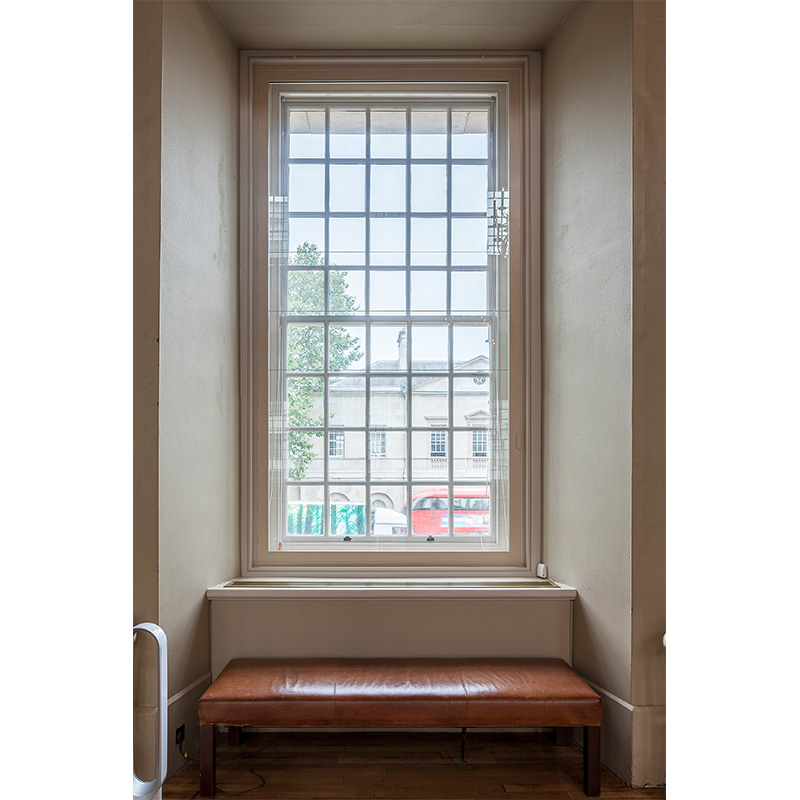
The regular fix is the most common fixing method, used for windows with a square reveal. A square reveal has defined edges that provide greater flexibility for positioning the secondary glazing. Here the cavity size can be adjusted to suit the requirements of the project. For example, a closer fit provides a more discreet appearance, while a larger cavity is preferable for noise reduction. Easiest of the three methods to measure and fit, the regular fix also uses the least timber of the three methods.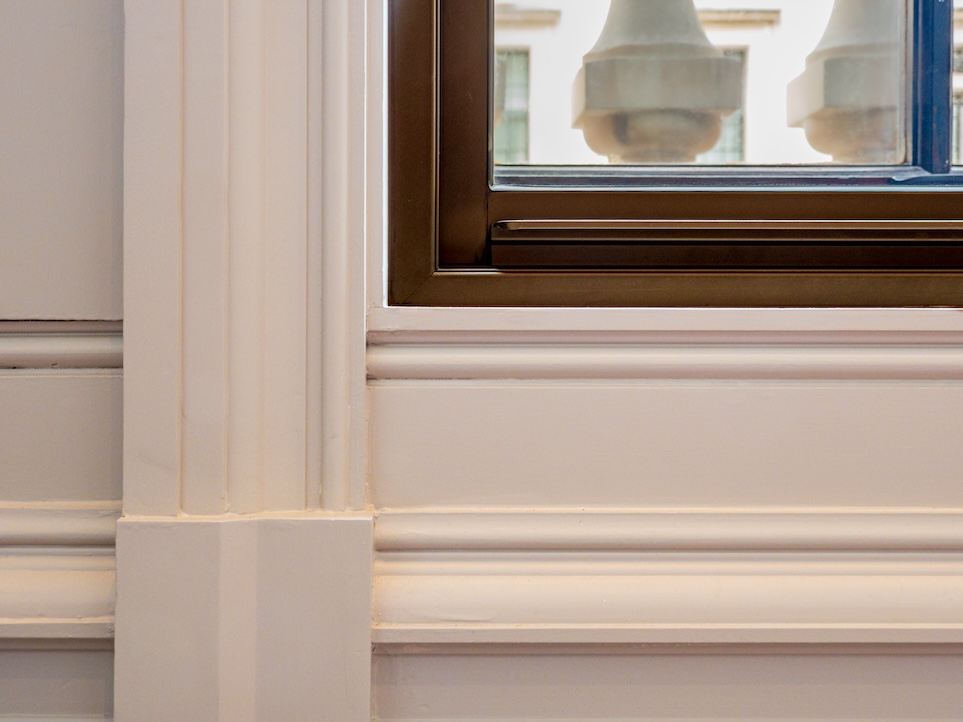
Splayed fix: angling for more light
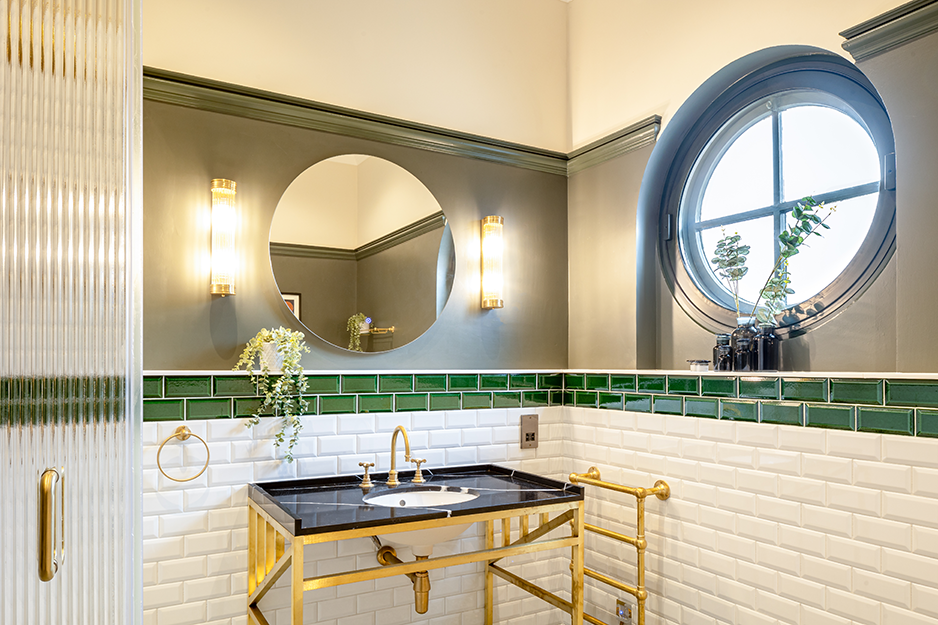
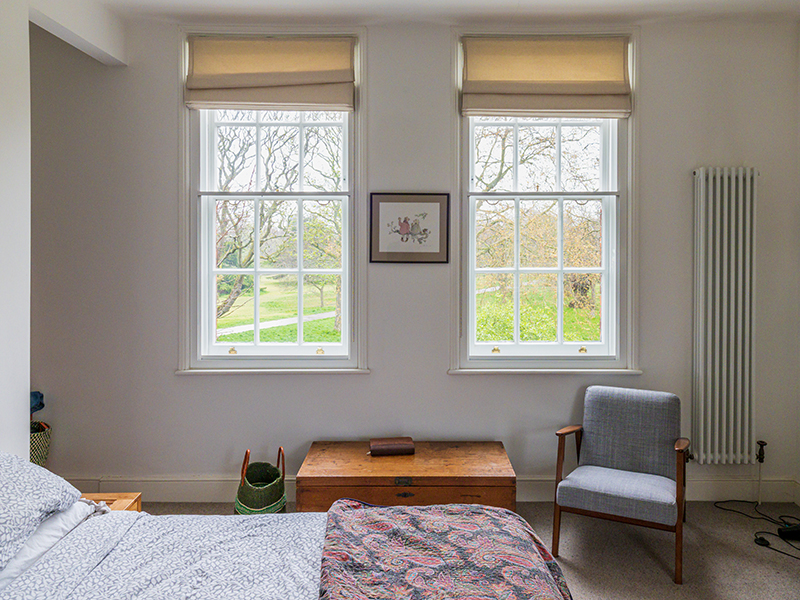
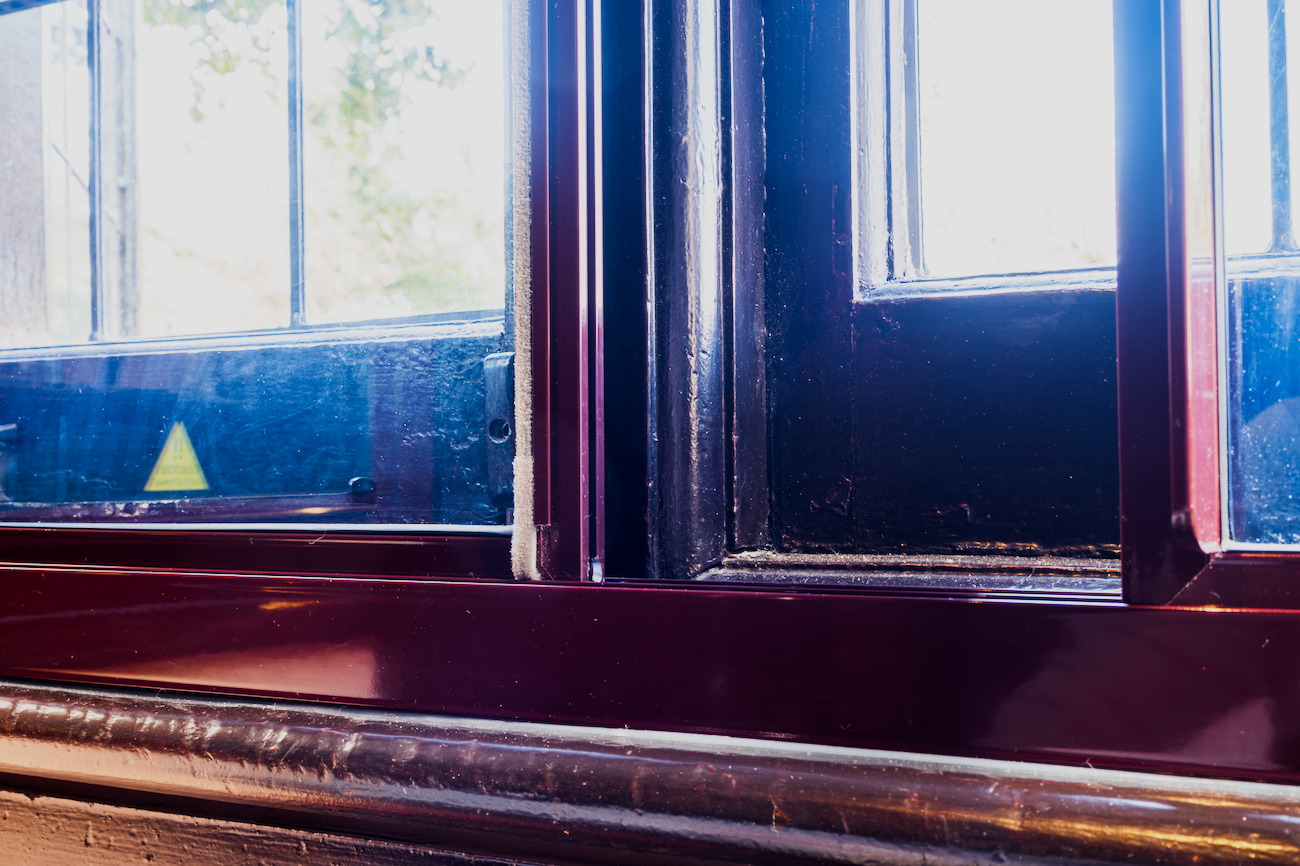
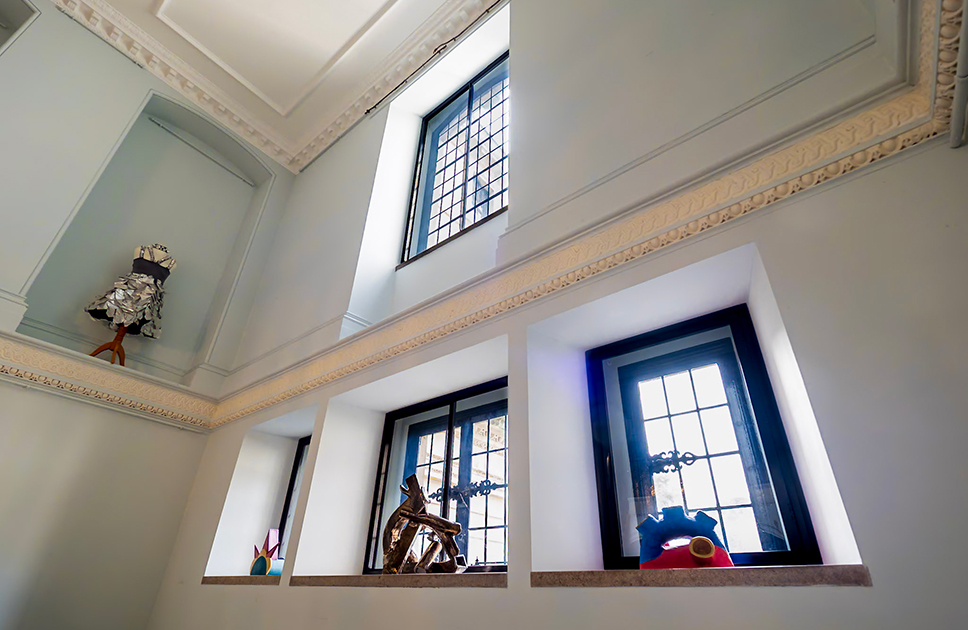
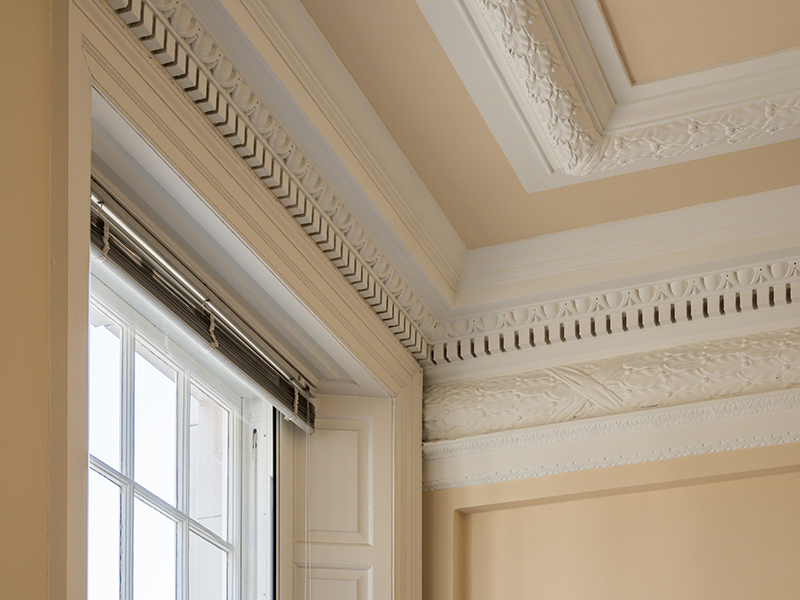
A splayed fix is used when a window's reveal is splayed rather than square. Splayed reveals are a design feature used to increase the amount of light entering a room. Because a splayed reveal is more likely to have its own individual characteristics, it's even more important that the timber subframe is carefully measured and shaped to match. A splayed reveal means more timber is needed to create the fixing edge, so more of that timber is visible along the front of the secondary glazing, when seen from inside the room. The available space within the reveal also influences where the unit sits and the cavity width achievable.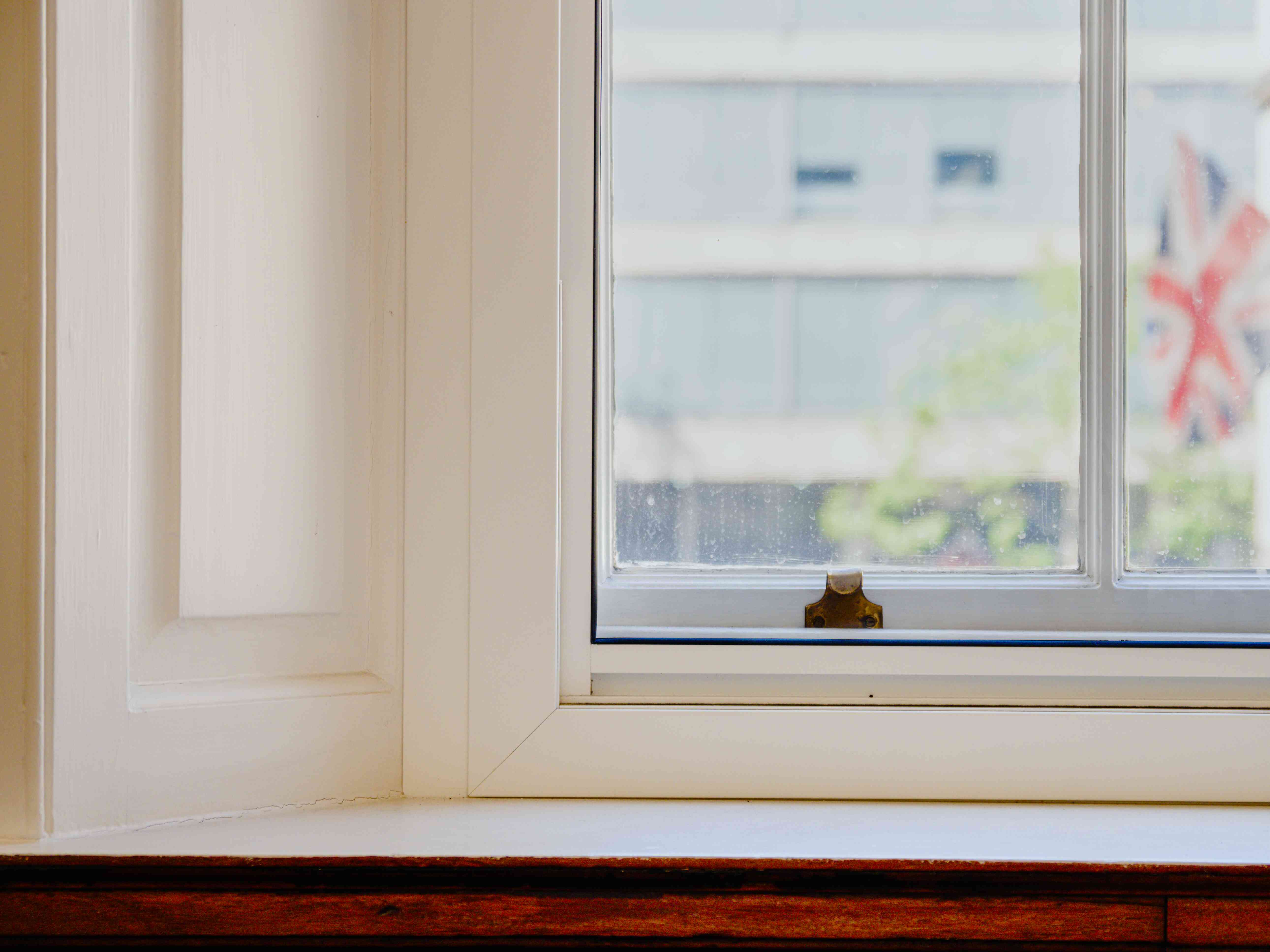
Face fix: at face value
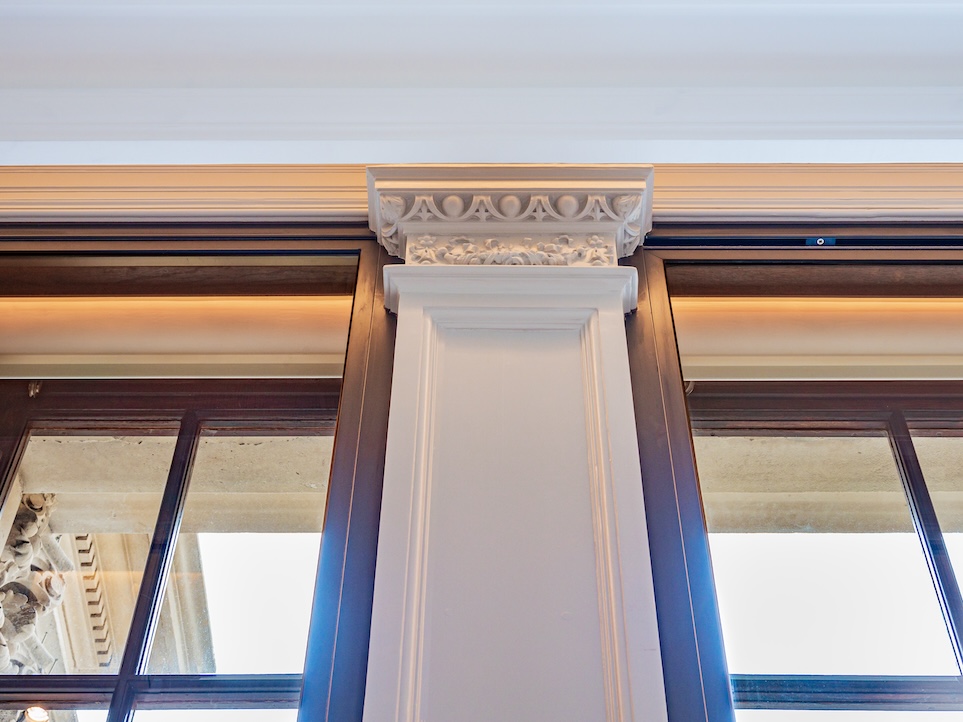
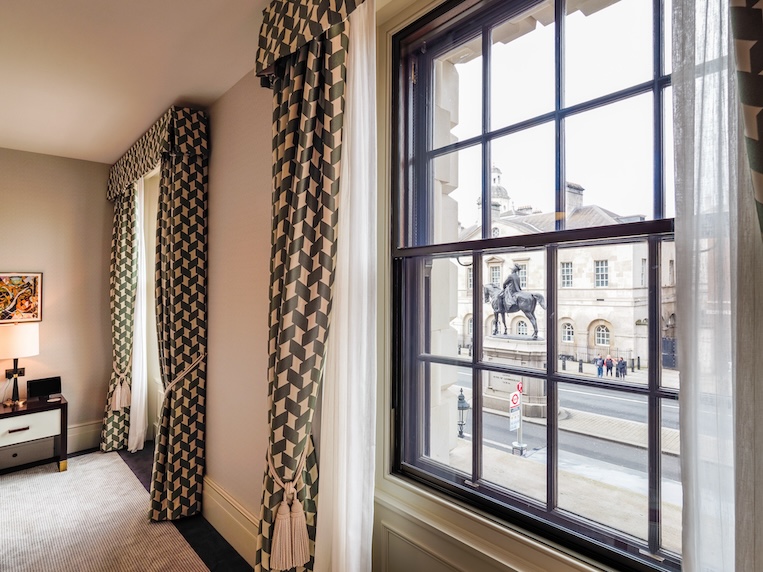
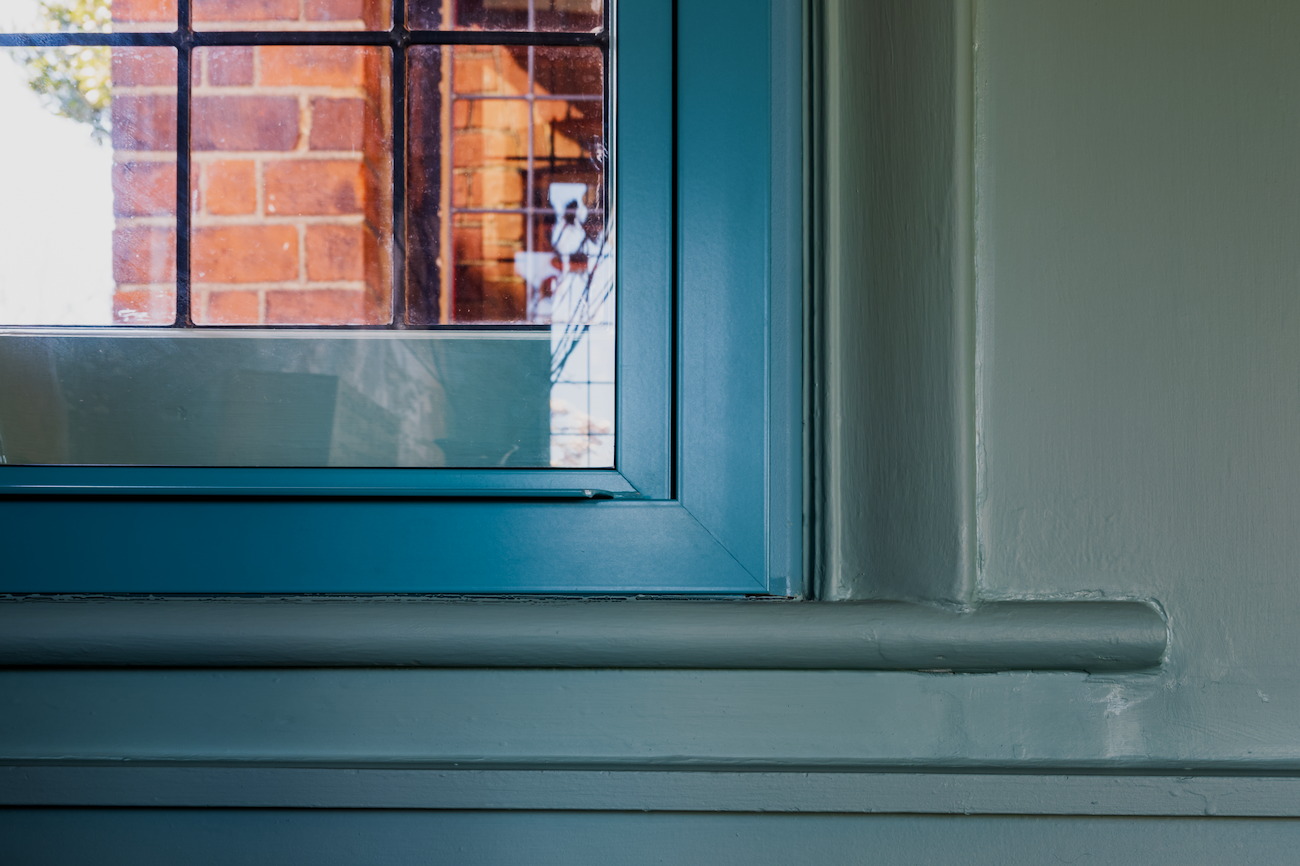
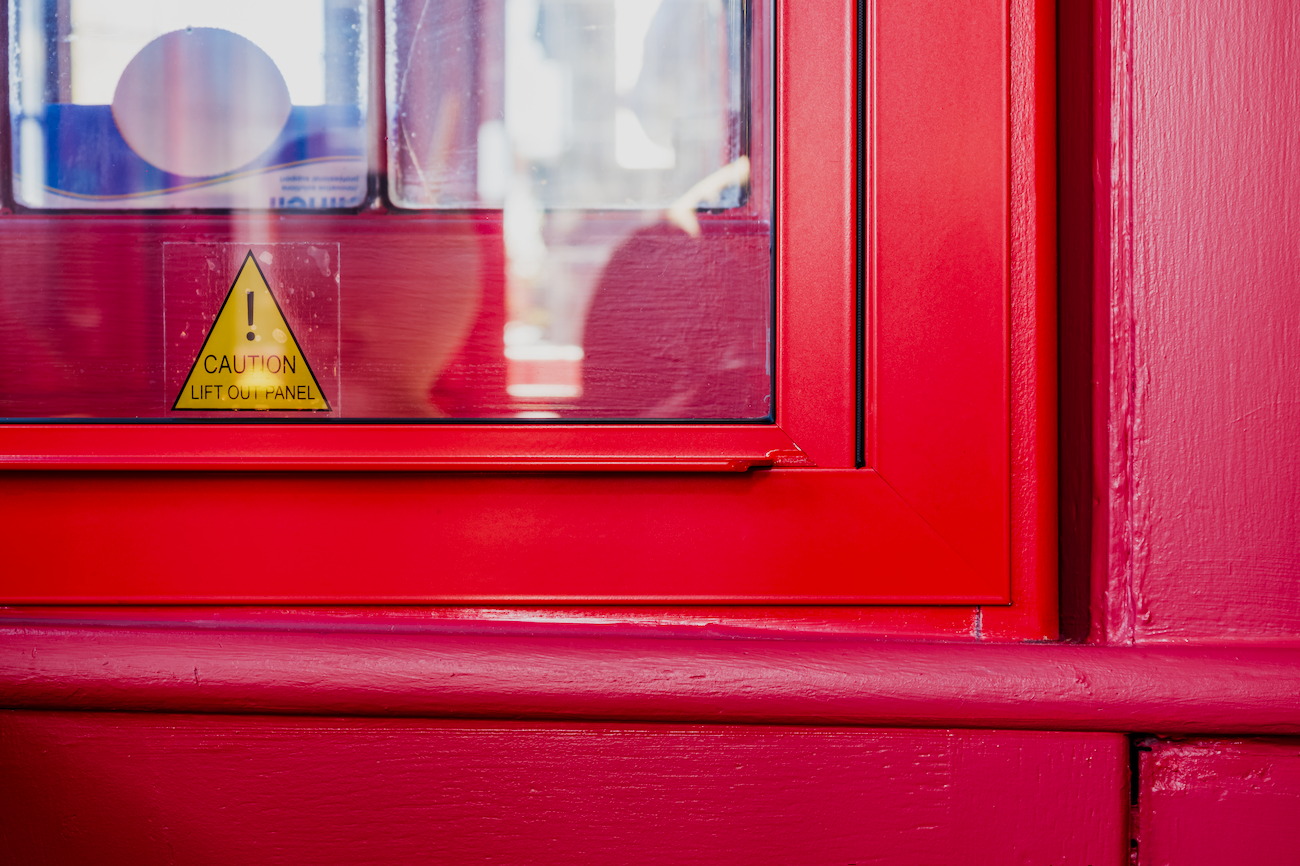
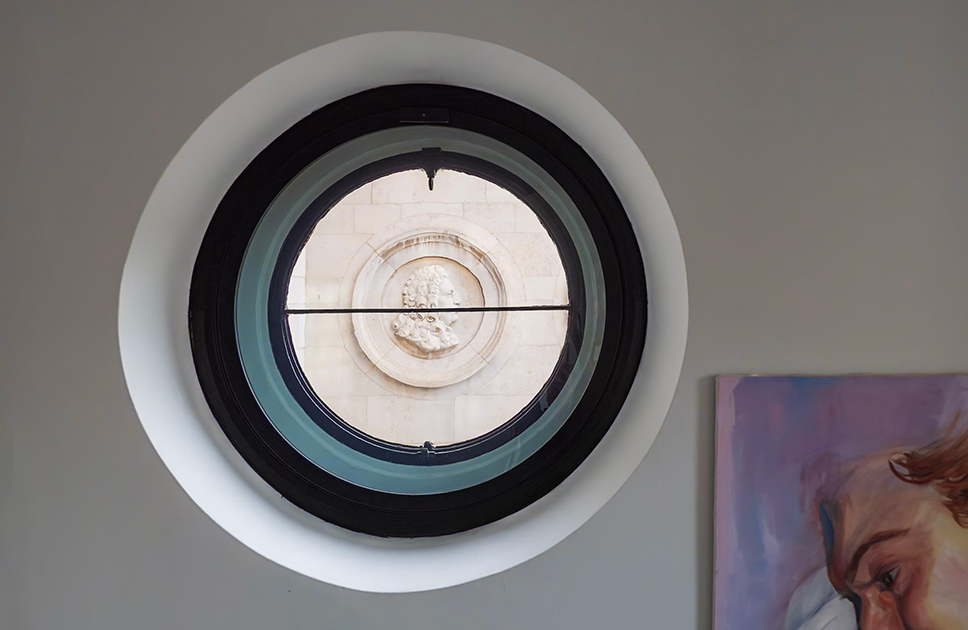
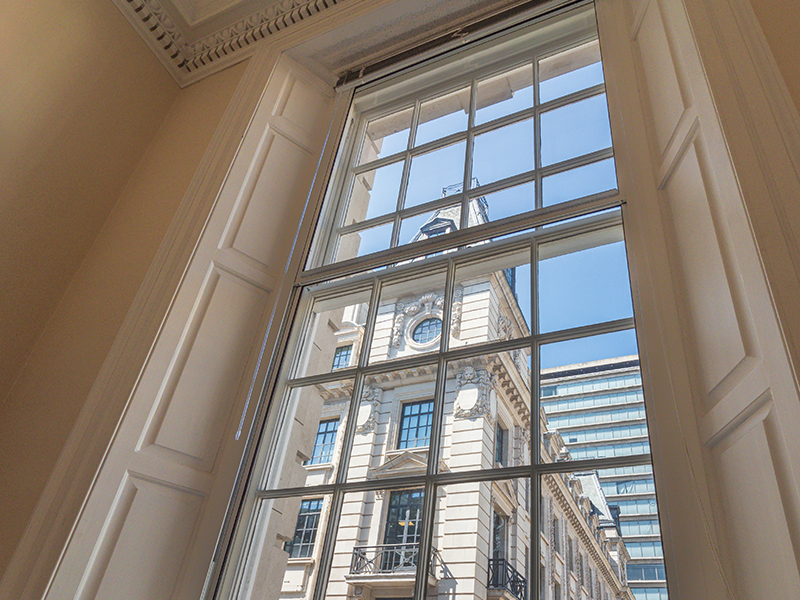
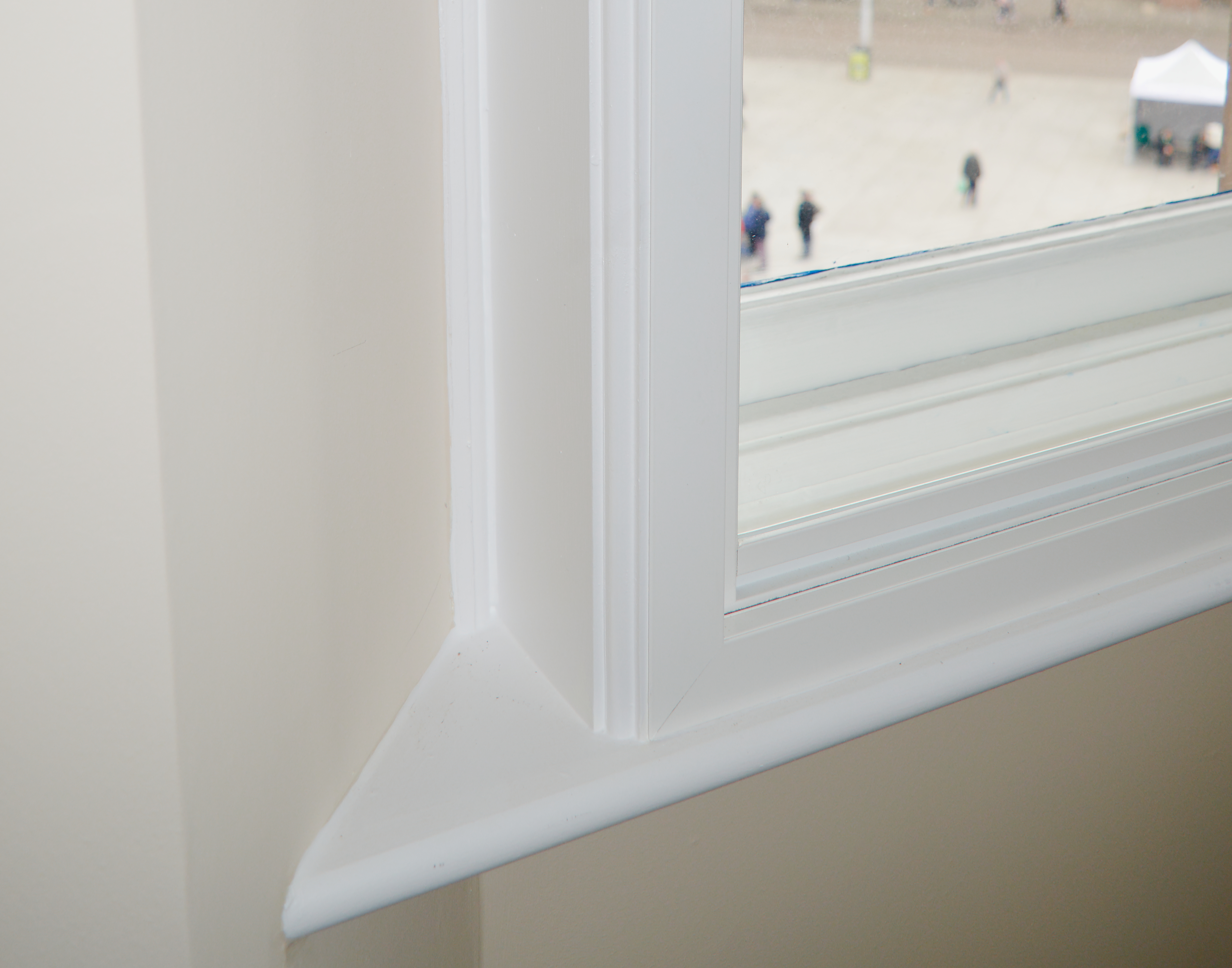
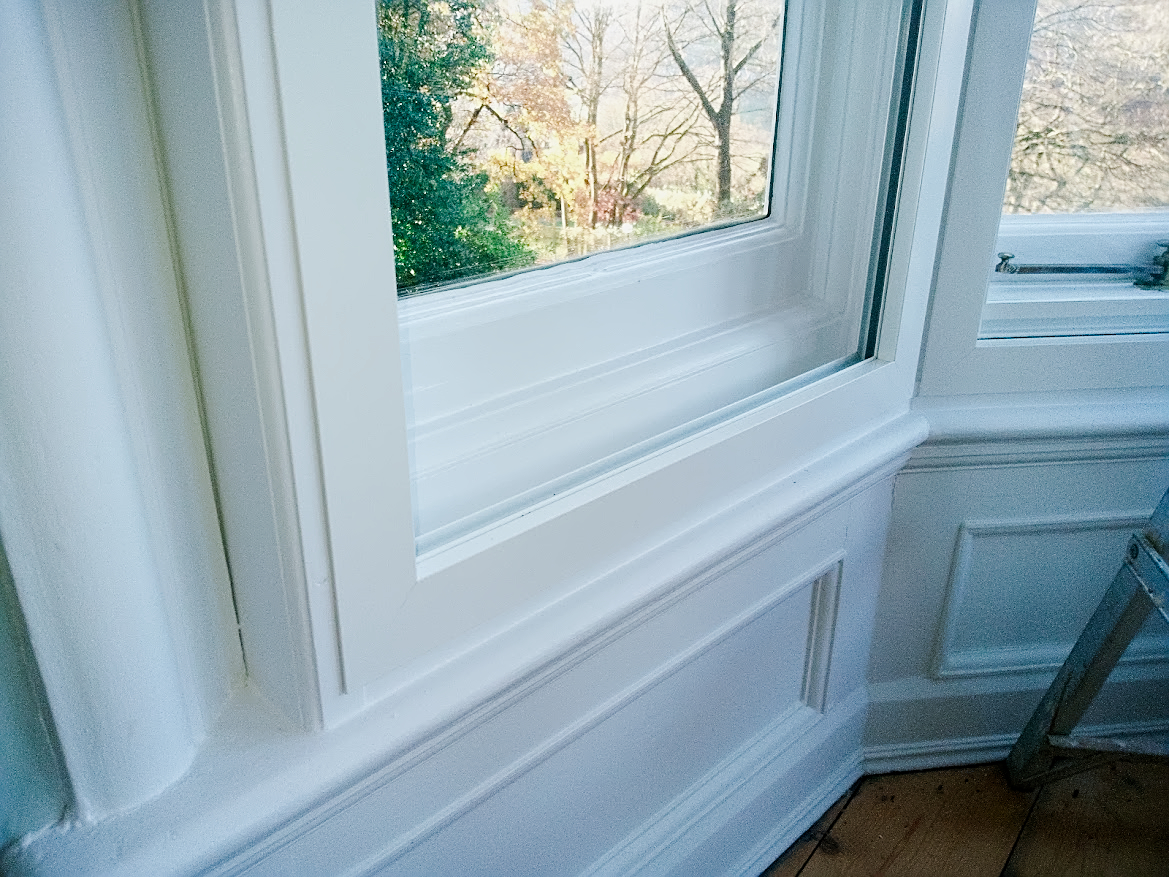
A face fix is used when there isn't a suitable window reveal, most commonly seen in sash windows that sit flush against the internal face of the wall, or where the primary window opens inwards through the secondary glazing. Here we create what is essentially a picture frame on the face of the wall, with the timber shaped so that the installation feels part of the window. Partial face fixes are also common. For example, when there is no suitable sill, a face fix is fitted to the base of the wall and to the reveal at the sides and head. This gives a real opportunity to make a feature of the timber with a rounded edge, chamfer or other detail. The main consideration is how far the secondary glazing projects into the room. Done well, it becomes a genuine design feature.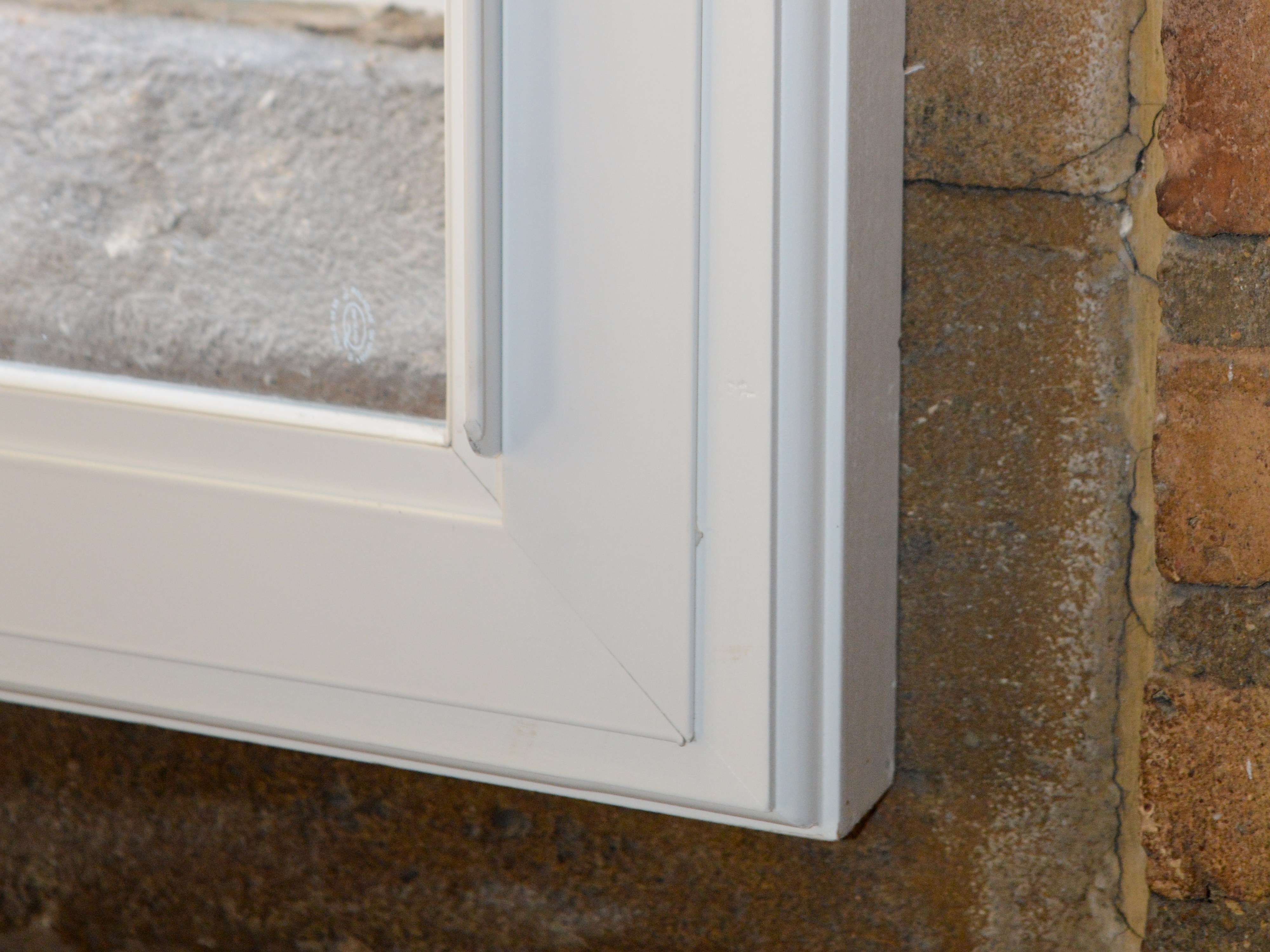
Whichever fixing method suits your window, the goal is the same: the right balance of space, performance and a discreet finish. Speak to our technical sales team to find out which approach is right for your project.