Secondary glazing is increasingly specified on refurbishment and fit-out projects, often late in the programme and with limited explanation of what it needs to achieve on site. For Site and Project Managers, the key challenge is how it is coordinated, sequenced and delivered without disrupting the programme.
This guide focuses on the practical realities of delivering secondary glazing on site - and how early specialist involvement helps avoid rework, delays and unnecessary pressure at the end of the job.
- Date
- Category
- Secondary Glazing in Practice
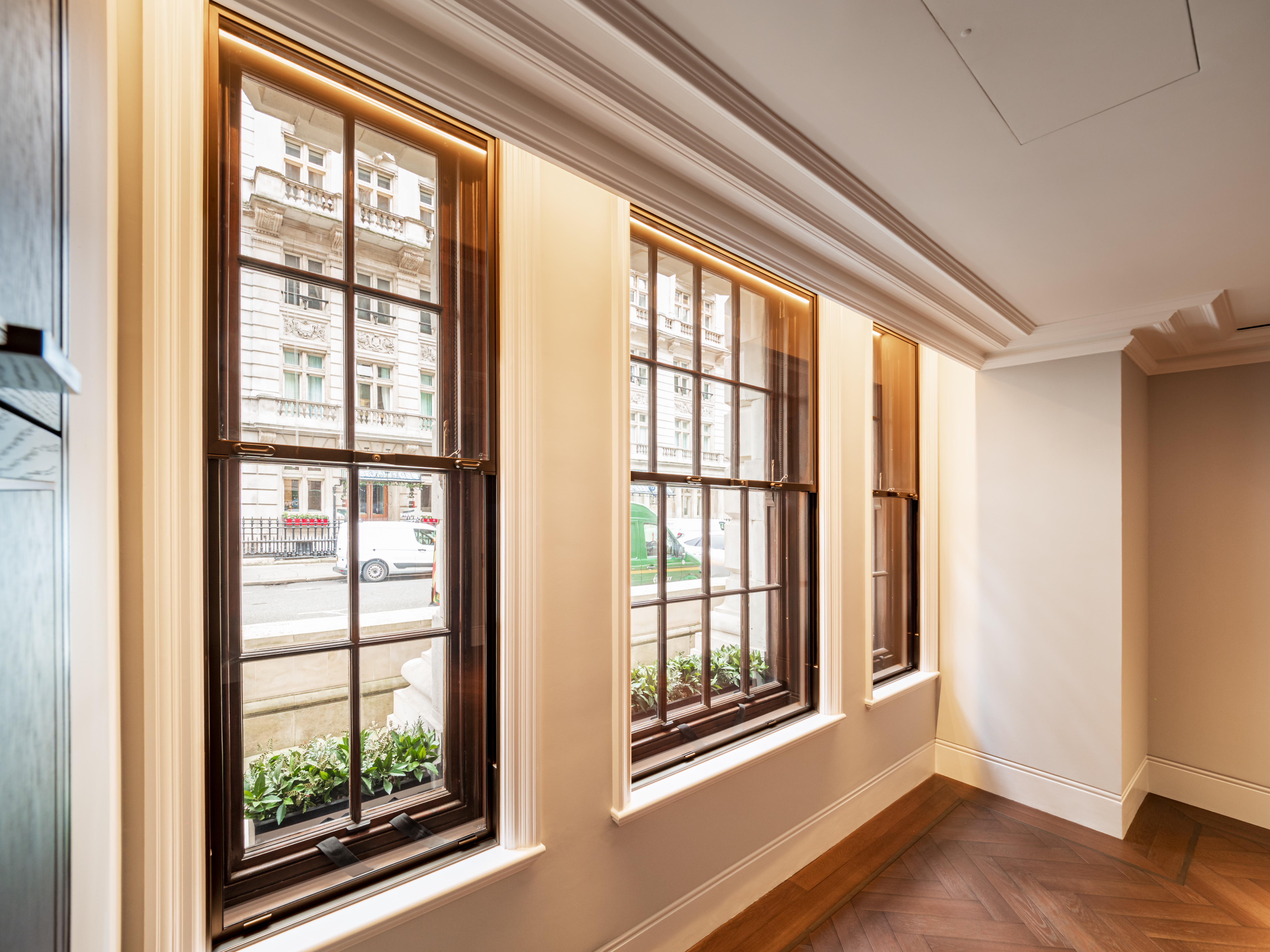
Why secondary glazing is used on refurb and fit-outs
Heritage and retained façades Improving thermal comfort, acoustics or security while keeping original windows intact. Sustainability‑led refurbishments Retaining existing windows reduces waste and embodied carbon while improving energy performance. Complex or occupied buildings Installed internally, secondary glazing works well on live sites, phased refurbishments and buildings with irregular openings where access, minimal disruption and programme certainty matter. The key point for delivery teams is that secondary glazing is rarely a standard, repeatable install. Understanding why it has been specified -and planning for it early - makes it far easier to survey, coordinate and install it smoothly at the end of the programme.Common pitfalls to avoid on site
Secondary glazing should be installed at the end of the programme, but it needs to be planned from the start. Most issues on site don’t come from the product itself - they come from timing. In our experience, problems usually come down to three things: involving the specialist too late, measuring too early and forcing installation too soon.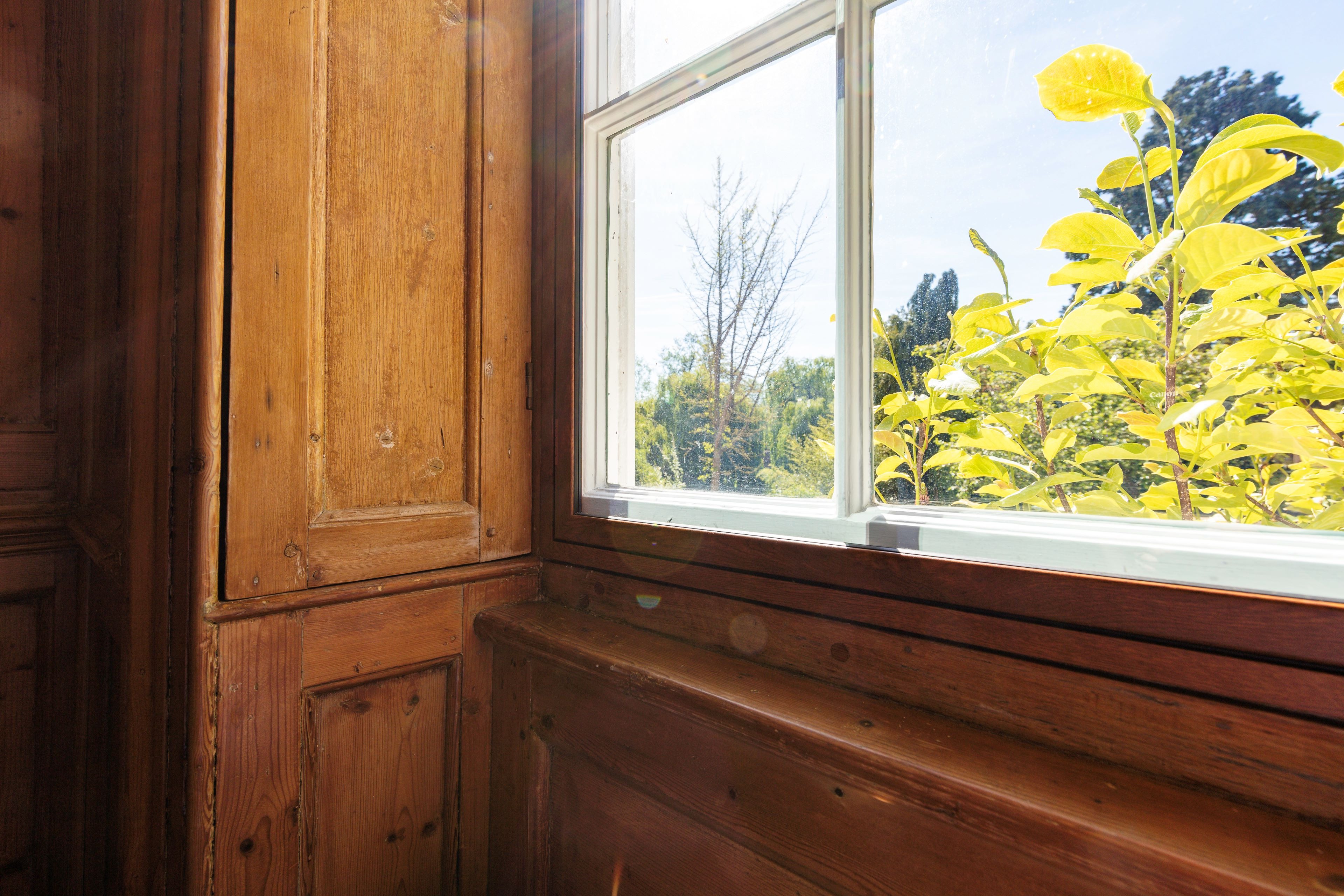

The planning paradox: last on site, first in planning
Secondary glazing is often treated as something that can be “picked up later” because it’s installed internally and towards the end of the works. In reality, it relies heavily on what has already been built around the opening. Reveals, finishes, window operation and access all directly affect how secondary glazing is surveyed and fixed. If those details aren’t considered early, teams are forced to make decisions under pressure, usually late in the programme, when change is hardest to absorb. The aim is simple: install late, but plan early.Common pitfall #1: measuring too early
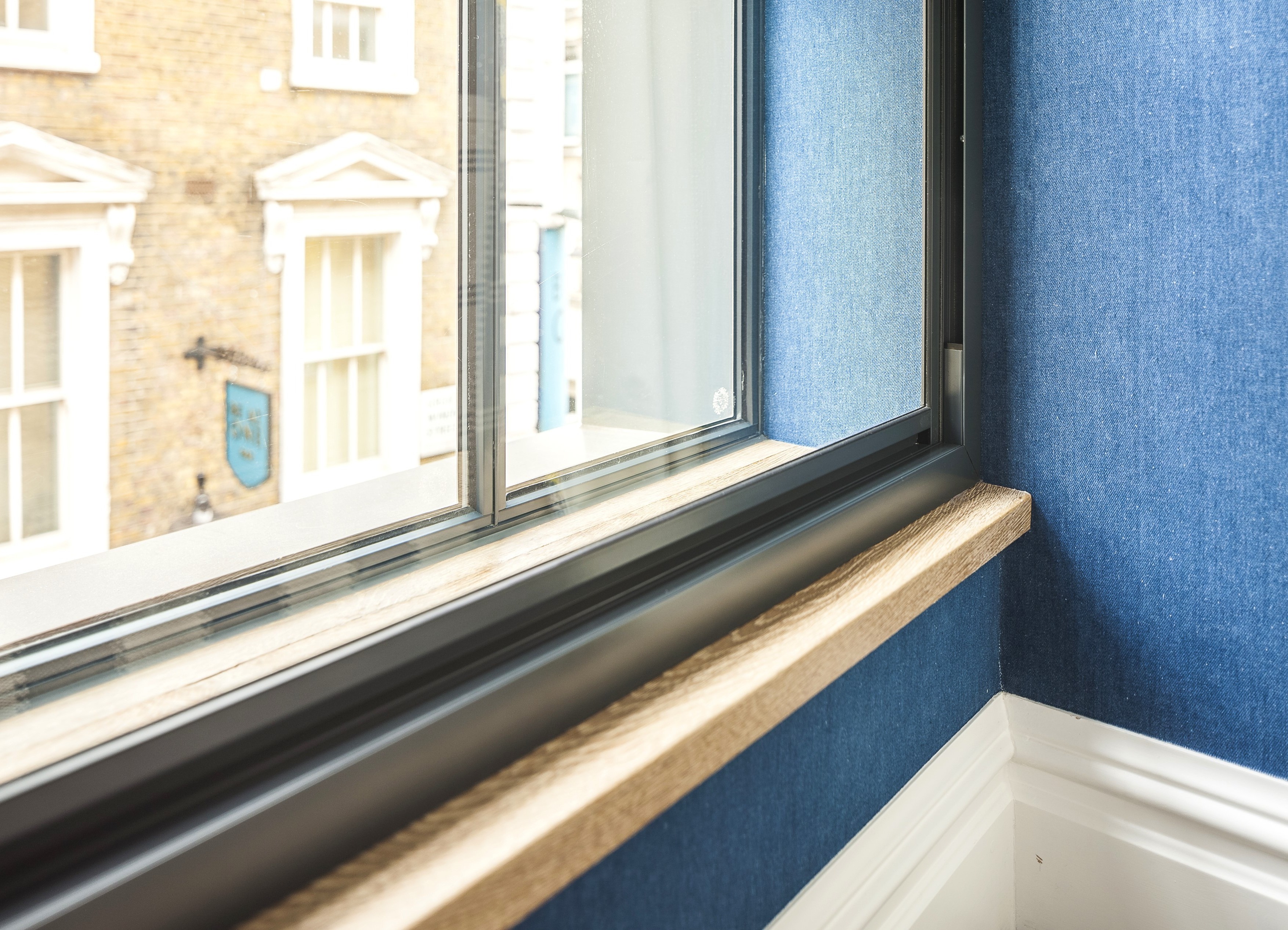
A survey carried out before the opening is fully formed is rarely “close enough”. Even small changes to build ups and finishes can affect fixing positions, clearances and overall fit. For a survey to be reliable, the opening must be genuinely complete. When is the opening ready for survey?- Full reveal complete and exposed
- All plastering or plasterboard finished
- Window boards, bulkheads and curtain boxes fitted
- Primary windows complete, with sashes fitted and operating
- Final plaster coats complete to establish finished lines
Common pitfall #2: fitting too early
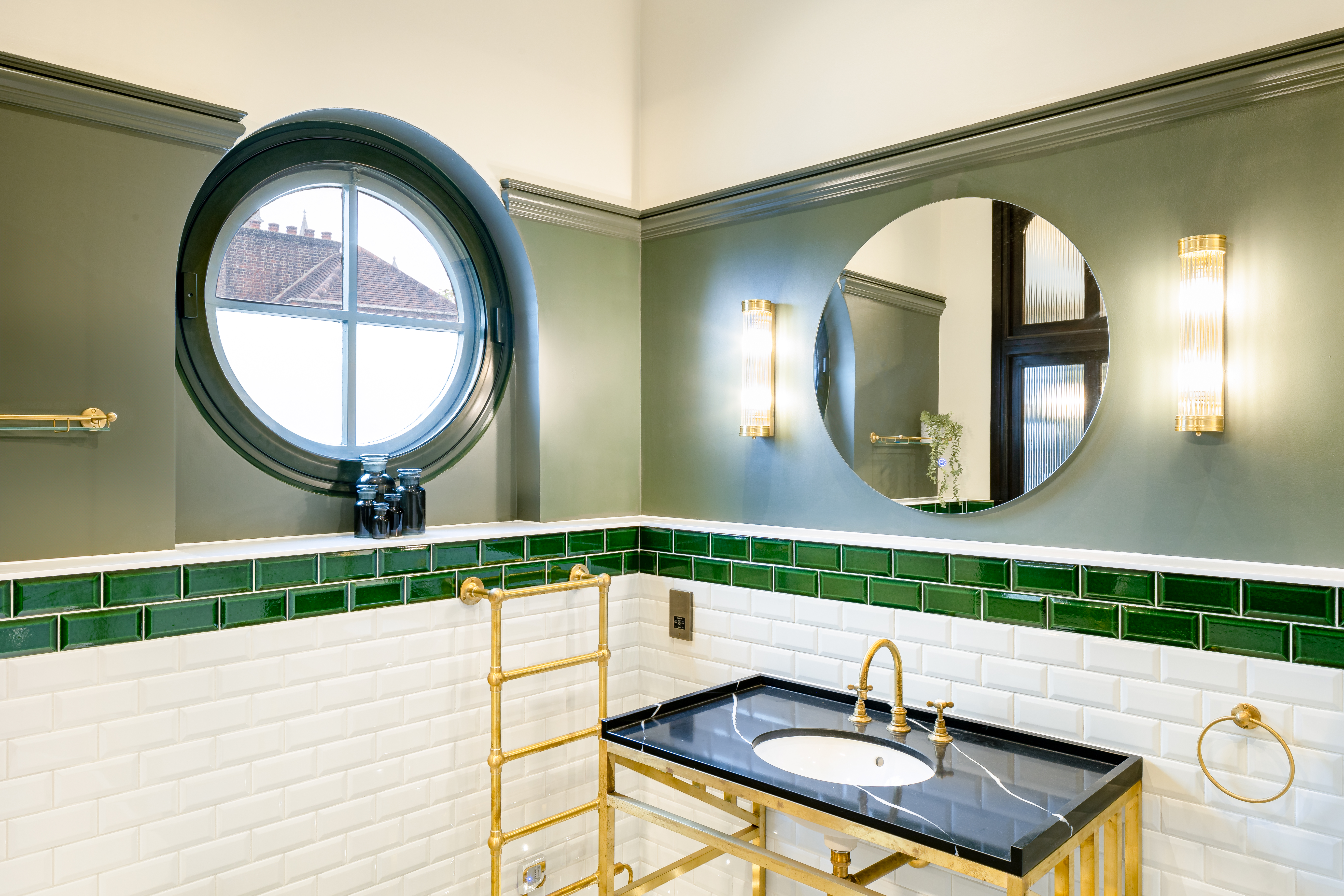
It can be tempting to try to bring secondary glazing forward in the programme to “get it done”. In practice, this rarely saves time. We can usually install faster than openings can be genuinely made ready. If installation is forced too early, it often creates knock on issues with decorators, protection, access and final clean -adding unnecessary pressure. A phased approach works far better. Installing little and often, aligned to site readiness, allows works to progress smoothly alongside other trades and reduces disruption. When is the opening ready for installation? Installation should only take place once:- The primary window is decorated to a finished standard
- The reveal is decorated (surrounding walls don’t need to be)
- Any works requiring access to the primary window are complete
Why secondary glazing works well on site - when sequenced properly
When planned and sequenced correctly, secondary glazing can be a low impact package at the end of the programme:- We bring to site what we fit, minimising storage and space impact
- No wet trades - once it’s fitted, it’s finished
- Tidy working, low disruption, rubbish removed
- Flexible site presence to suit access, occupants and phasing