St Andrew's Church
An installation miracle
St Andrew's Church
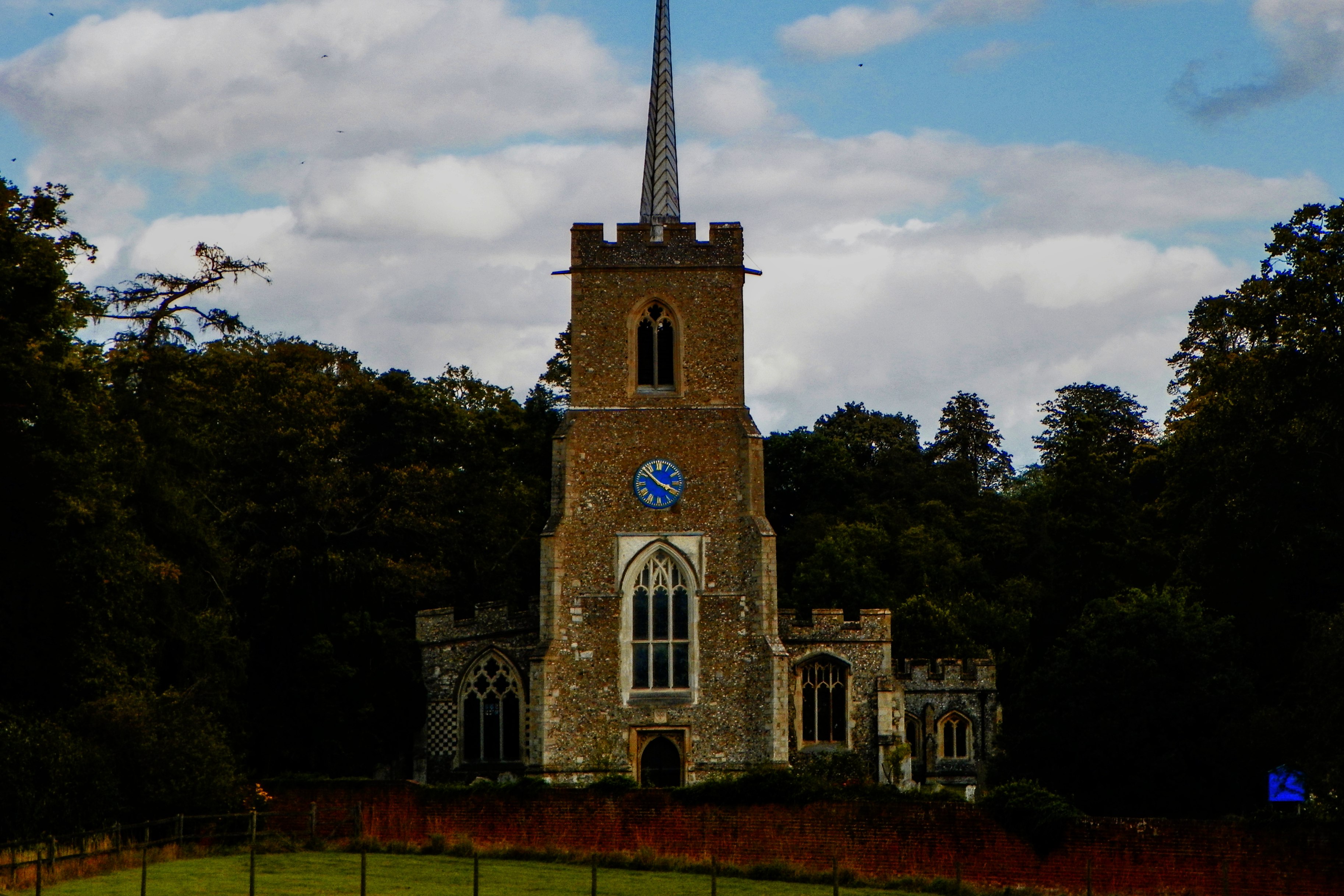
St Andrew’s Church in Much Hadham is a Grade I listed building dating back to the 13th century, and one Selectaglaze was proud to work on.
During an inspection of the 19th century bell system, St Andrew's Parochial Church Council (PCC) discovered poor installation and deteriorating fittings. Both were in need of urgent modernisation.
The PCC decided it was time to refurbish not only the historic bell system but the tower itself. While the eight ringing bells were taken off-site to be refurbished (and later rehung using the existing frame with new headstocks and wheels), secondary glazing was also specified.
Not only would this cut noise and improve thermal performance, but it would also protect the tower's fittings from the elements. However, getting the units up the tower's narrow spiral staircase would prove one of Selectaglaze's most ambitious installations to date.
Fitting the pieces together
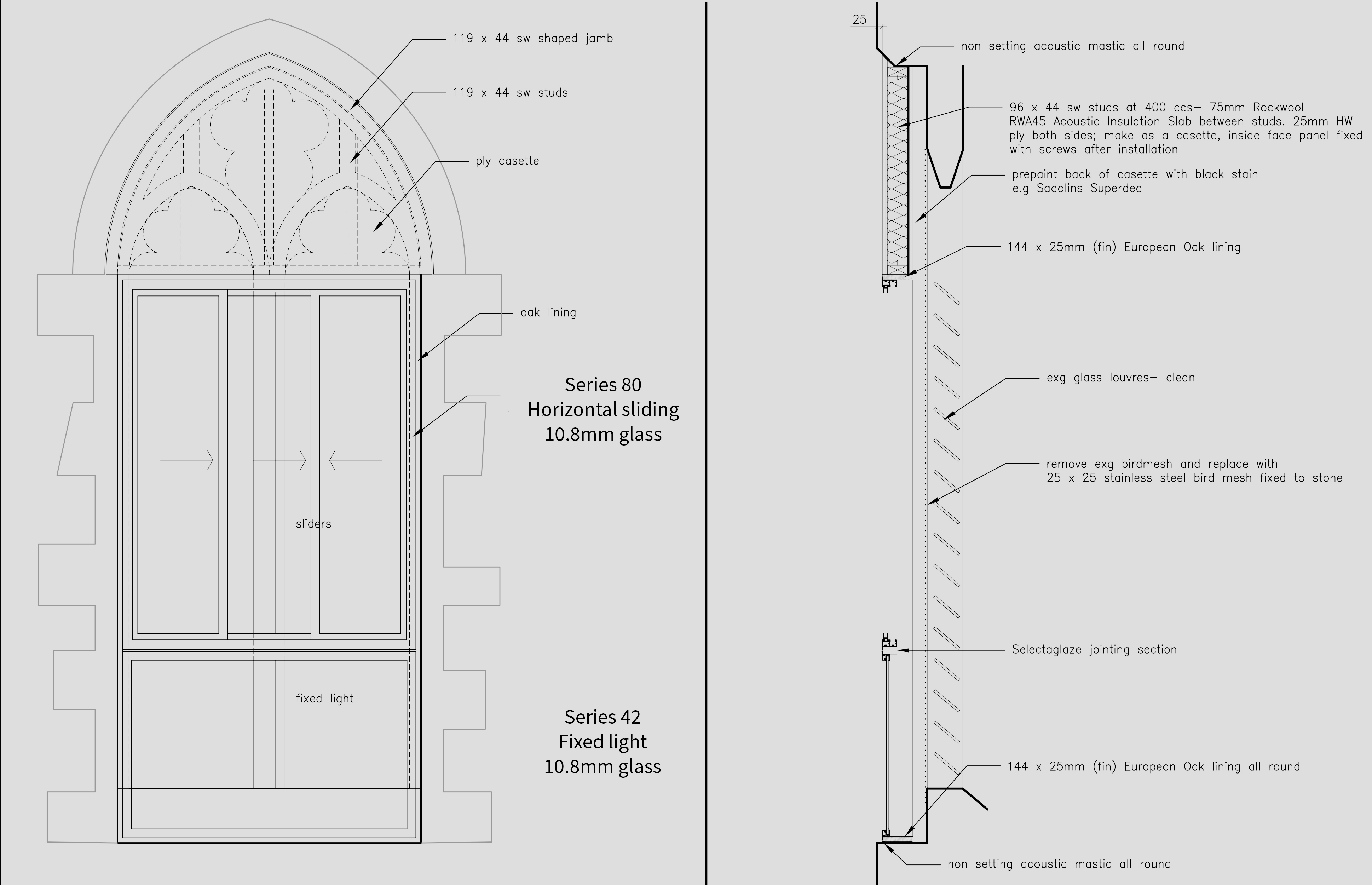
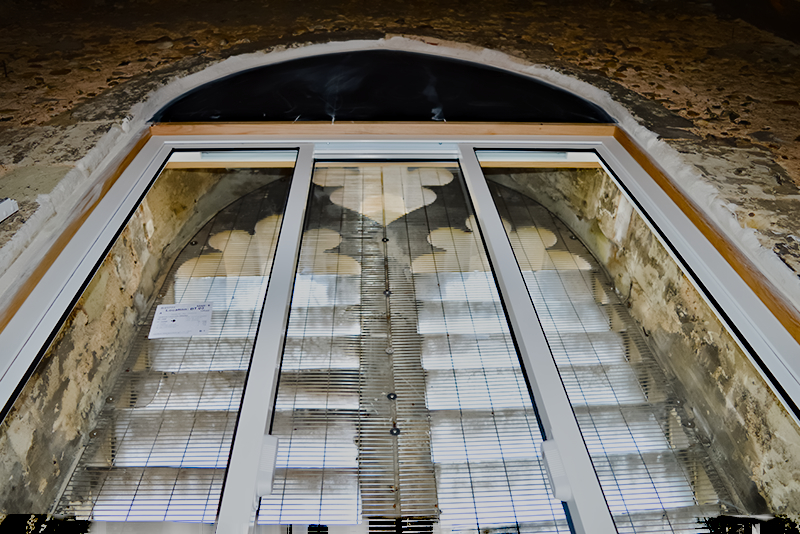
Due to the scale of the project, the Much Hadham Guild of Church Bell Ringers (on behalf of the PCC) undertook a six-month fundraising programme to ensure the restoration of the bells and tower renovations could be completed with the care and respect that St Andrew’s deserved. Selectaglaze was then approached by Freeland Rees Roberts Architects and main contractor Hutton Construction. During our inspection, we found that, like many historic buildings, the openings were not all plumb and true. To accommodate these variations, we recommended a series of bespoke secondary glazing units. Four large openings, measuring 1,450mm wide by 3,850mm high, were the key areas of focus. Timber frames were fitted within each opening ahead of installation to correct the inconsistencies and provide support for the new glazing, which weighed around 130–140kg per unit. A 200mm cavity between the stained glass and secondary glazing was incorporated to enhance performance. In total, eight units were fitted across the four openings: a combination of Series 42 fixed-light units, a heavy-duty option offering strong noise insulation and added security, and Series 80 three-pane horizontal sliders, which are heavy-duty and have Secured by Design accreditation.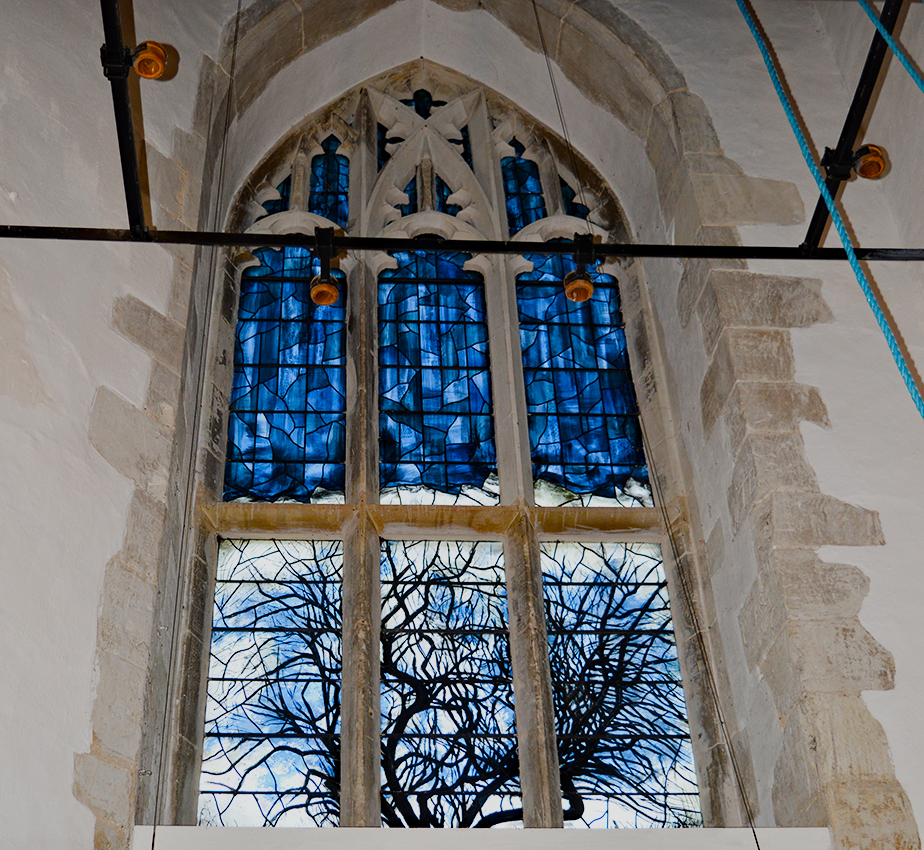
Ringing in a new era
Transporting the units up the tower posed a real challenge. Fully assembled, our secondary glazing products were too large for the narrow spiral staircase. Instead, our team lifted the units 12 metres by rope and pulley, moving them in sections through a series of trapdoors across three floors. Once safely at the top, the components were fixed together on-site and installed to perfectly match the existing sightlines. An early suggestion to install a layer of primary glazing between the permanently open glass louvres and the new secondary units proved unnecessary. The secondary glazing alone achieved a 30–33dB noise reduction, roughly the difference between a normal conversation and a whisper, enough to meet the requirement for reduced noise at the churchyard's boundary. All of the work was completed in time for the bells to ring for the Armistice centenary in November 2018. Since then, according to the PCC, the bells no longer disturb nearby residents. The tower has also seen an environmental boost. Heat loss has been reduced, and draughts eliminated almost completely.Never miss one bit!
Subscribe to our monthly Newsletter to receive updates on our news and CPD initiatives.
Thank you!
Thanks for joining our mailing list.
Our use of cookies
We use cookies to provide you with a great experience and to help our website run effectively. You can find out more and change your cookie preferences anytime on our Cookie Policy page.