Secondary glazing is increasingly appearing in refurbishment and fit-out tenders, often with limited explanation of why it’s required or what it’s expected to deliver. For Commercial Teams, that lack of clarity is where cost and programme risk can arise.
This guide sets out what matters most from a commercial perspective - and where early specialist input can make a measurable difference.
- Date
- Category
- Secondary Glazing in Practice

Why secondary glazing is increasingly specified – and where it is typically used
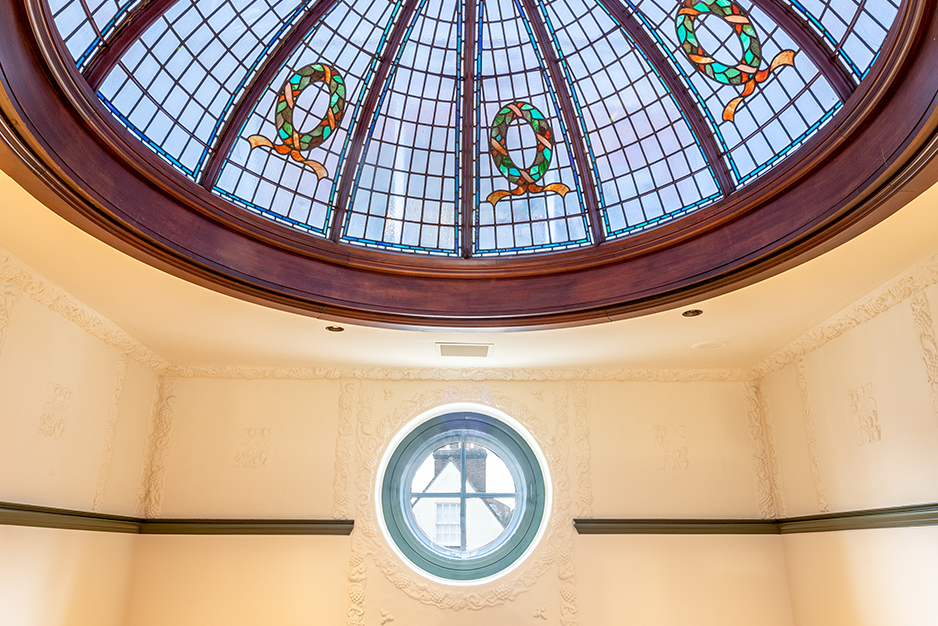
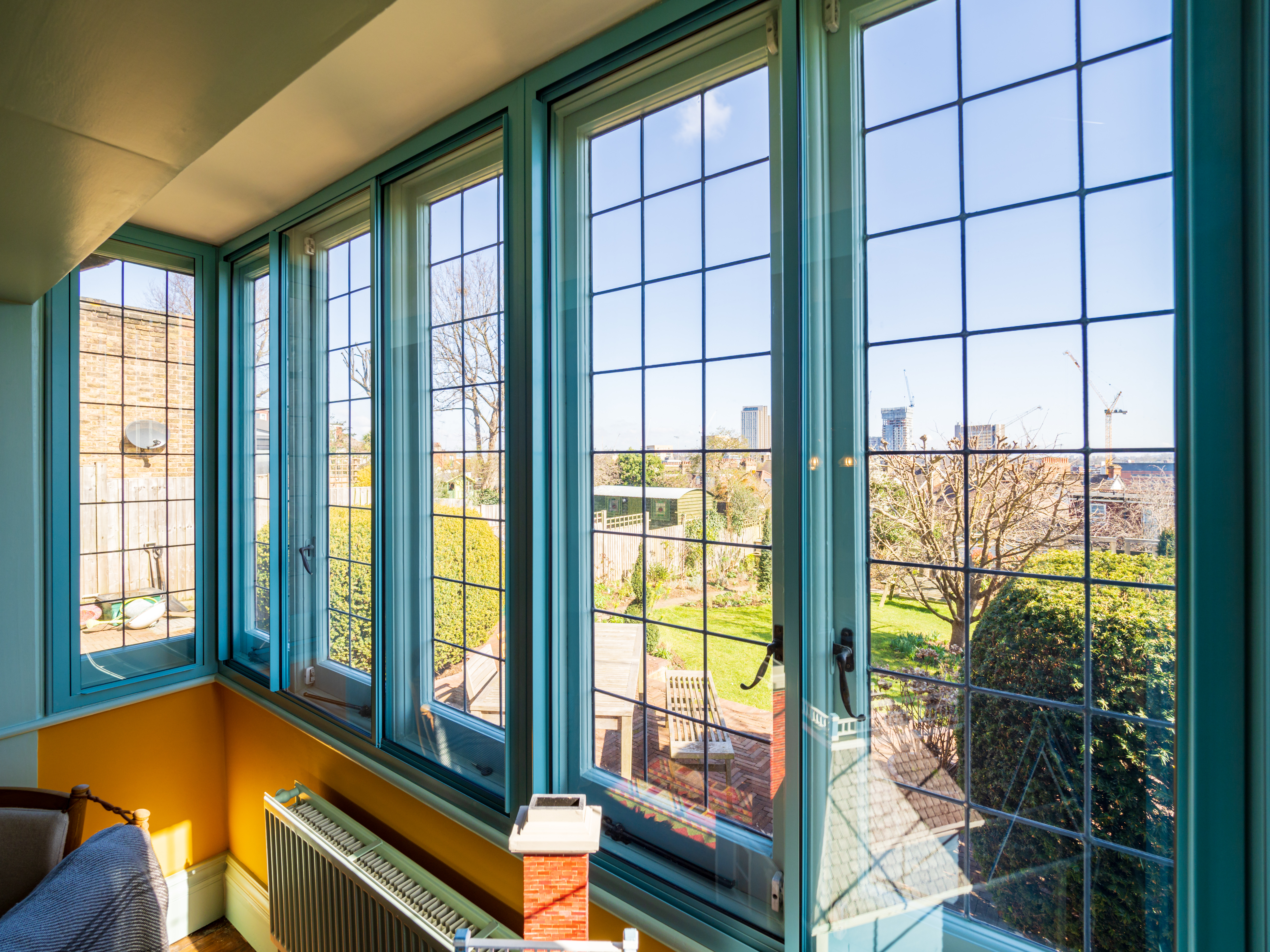
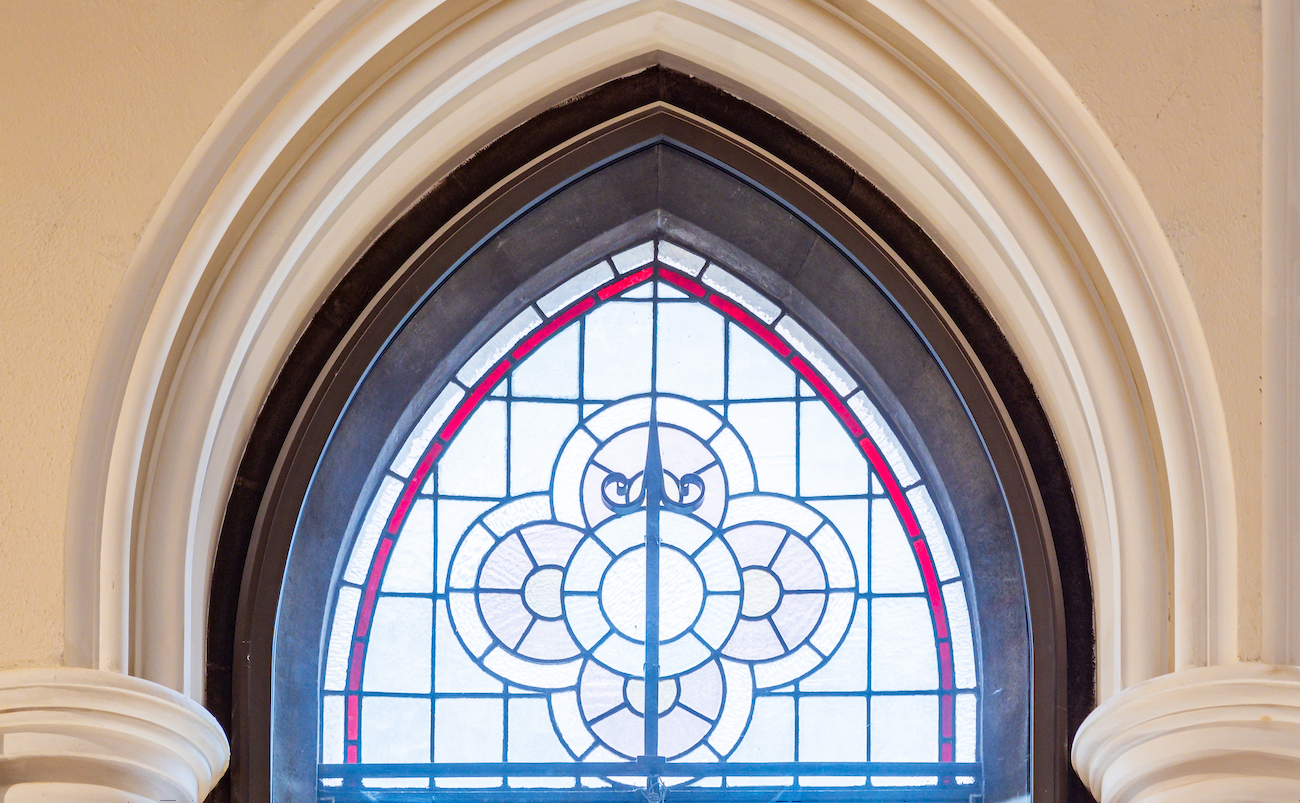
Secondary glazing is being specified more frequently because it offers a practical way to improve building performance without the cost, environmental impact or disruption of full window replacement. From a commercial perspective, it typically appears on projects driven by the following needs:Performance upgrades without replacing the façade Secondary glazing improves thermal comfort, acoustics and security while retaining existing windows - making it suitable for heritage and listed buildings, 20th‑century buildings with poorly performing early double glazing, and projects targeting specific acoustic or thermal improvements rather than wholesale replacement.
Sustainability and energy efficiency objectives By retaining original windows, secondary glazing preserves embodied carbon while improving energy performance, supporting EPC upgrades and net zero targets across refurbishment projects where replacement would be environmentally or commercially difficult to justify.
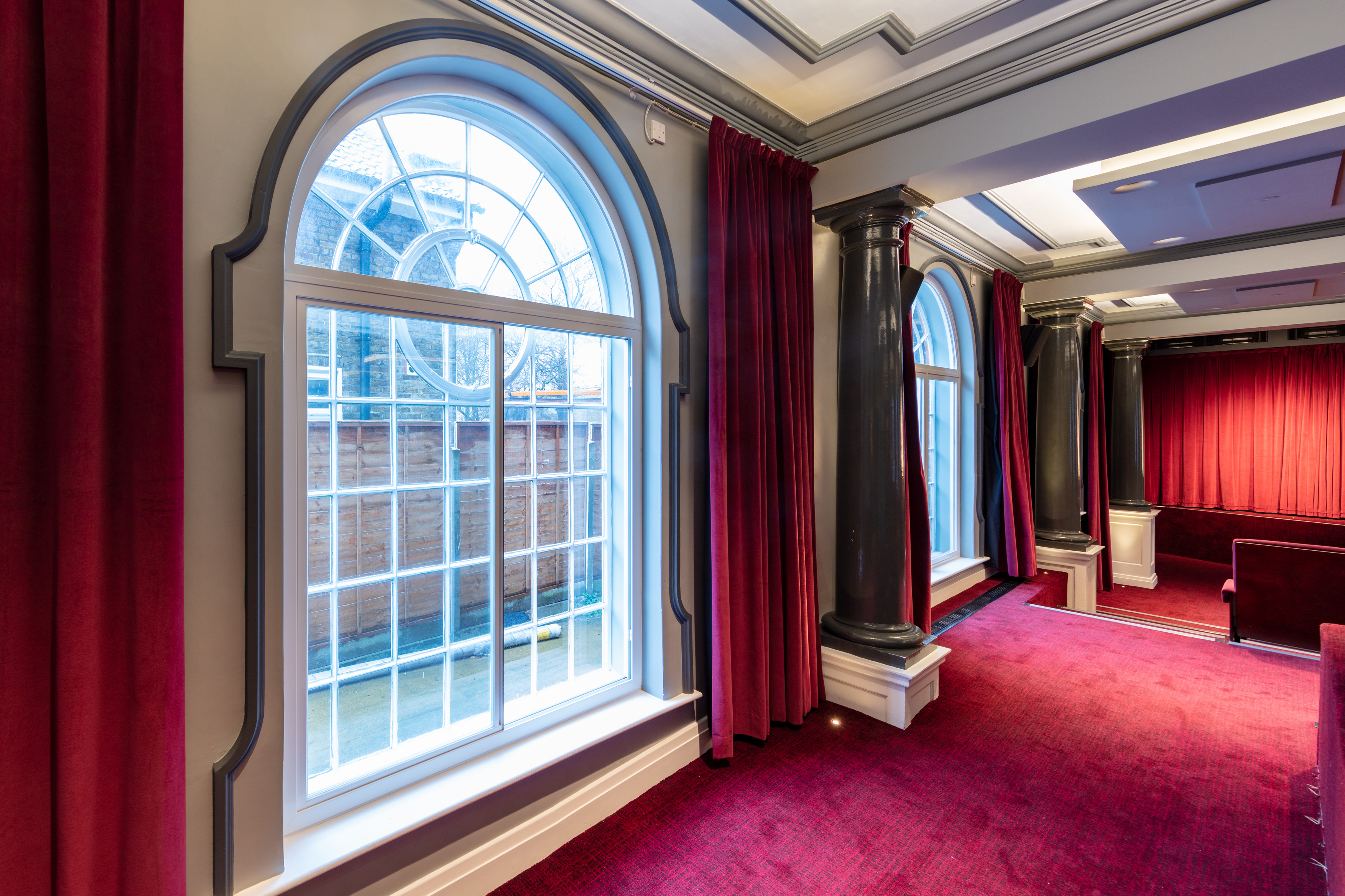
Deliverability on complex or occupied projects Installed internally, secondary glazing works well on complex refurbishments with irregular openings, occupied offices, education and public sector buildings, and phased projects where minimal disruption, access and programme certainty are critical. With the most comprehensive secondary glazing range, Selectaglaze makes it easier to standardise details and maintain a consistent, high-quality appearance across elevations -reducing design compromise and helping protect cost and programme certainty on buildings with hundreds of windows and varied opening types. The key commercial point is that the underlying driver may vary and understanding it is essential, as it always influences the cost.
What sits behind specification and pricing
Secondary glazing is a bespoke system, not a standard product, and cost can’t be understood in isolation. In practice, cost is influenced by a combination of the following specification choices:- Frame type (sliding, hinged, fixed, lift out)
- Frame thickness (slimline, mid-weight, heavy duty)
- Frame finish (standard colour, bespoke RAL colour, woodgrain, bronze anodised)
- Ironmongery (handles, finger pulls, locks for enhanced security products)
- Glass specification (low E, acoustic laminated, security, specialist performance)
- Fixing method (into reveals, face fixed, splayed reveal)
- Interface details with window dressing, ventilation, window operation and cleaning
Common pitfalls and how to avoid them
Pitfall #1: unclear purpose for secondary glazing specification Contractors often request secondary glazing without clearly understanding why it’s needed.Understanding the primary driver first is critical, as it sets the baseline for all other requirements, including aesthetics and operation. Once that driver is clear, the specification can be developed accurately, and pricing assumptions are far more likely to hold. Is the key requirement:
- a specific U value improvement?
- an acoustic performance target?
- security or occupant comfort?
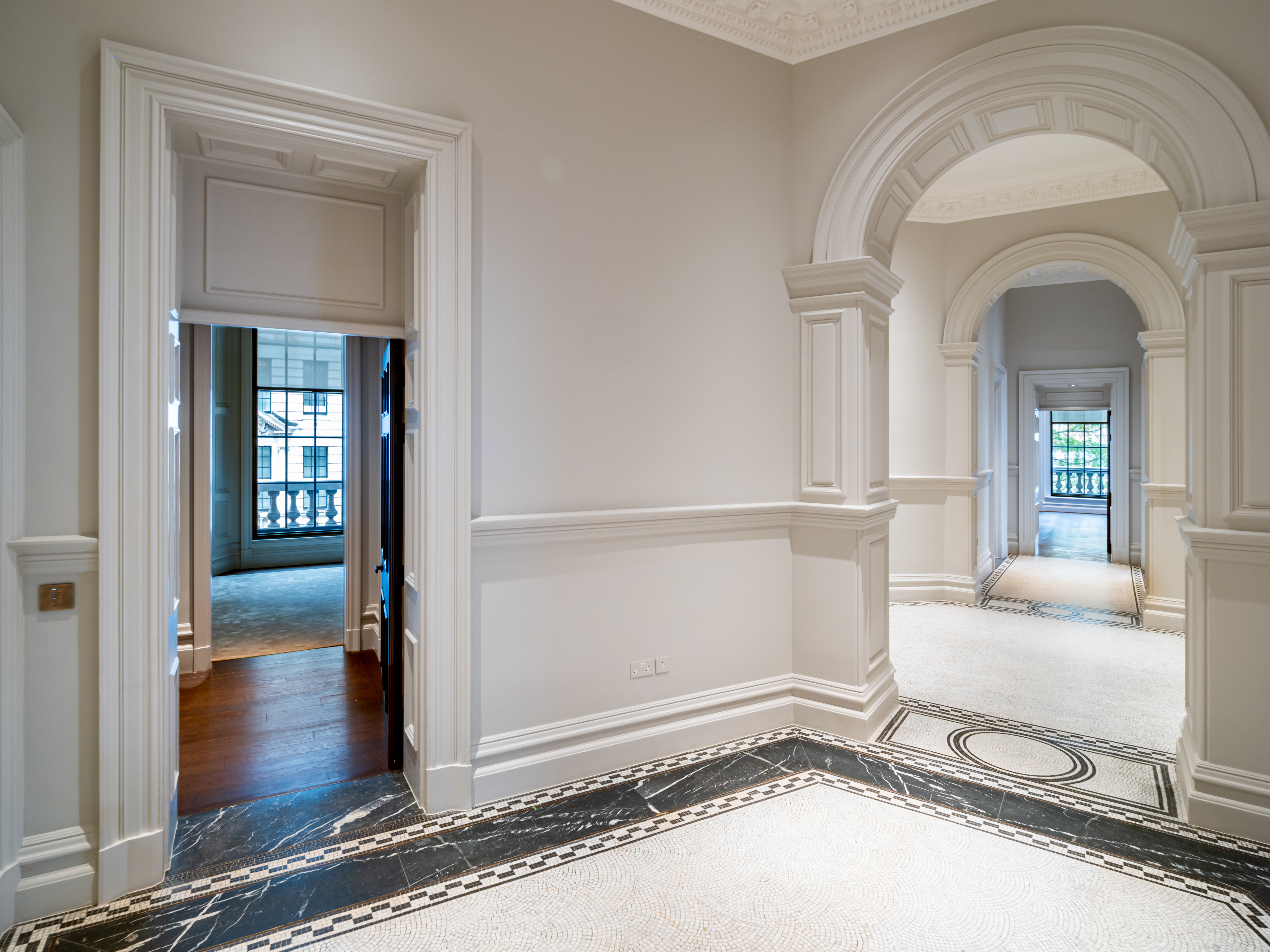
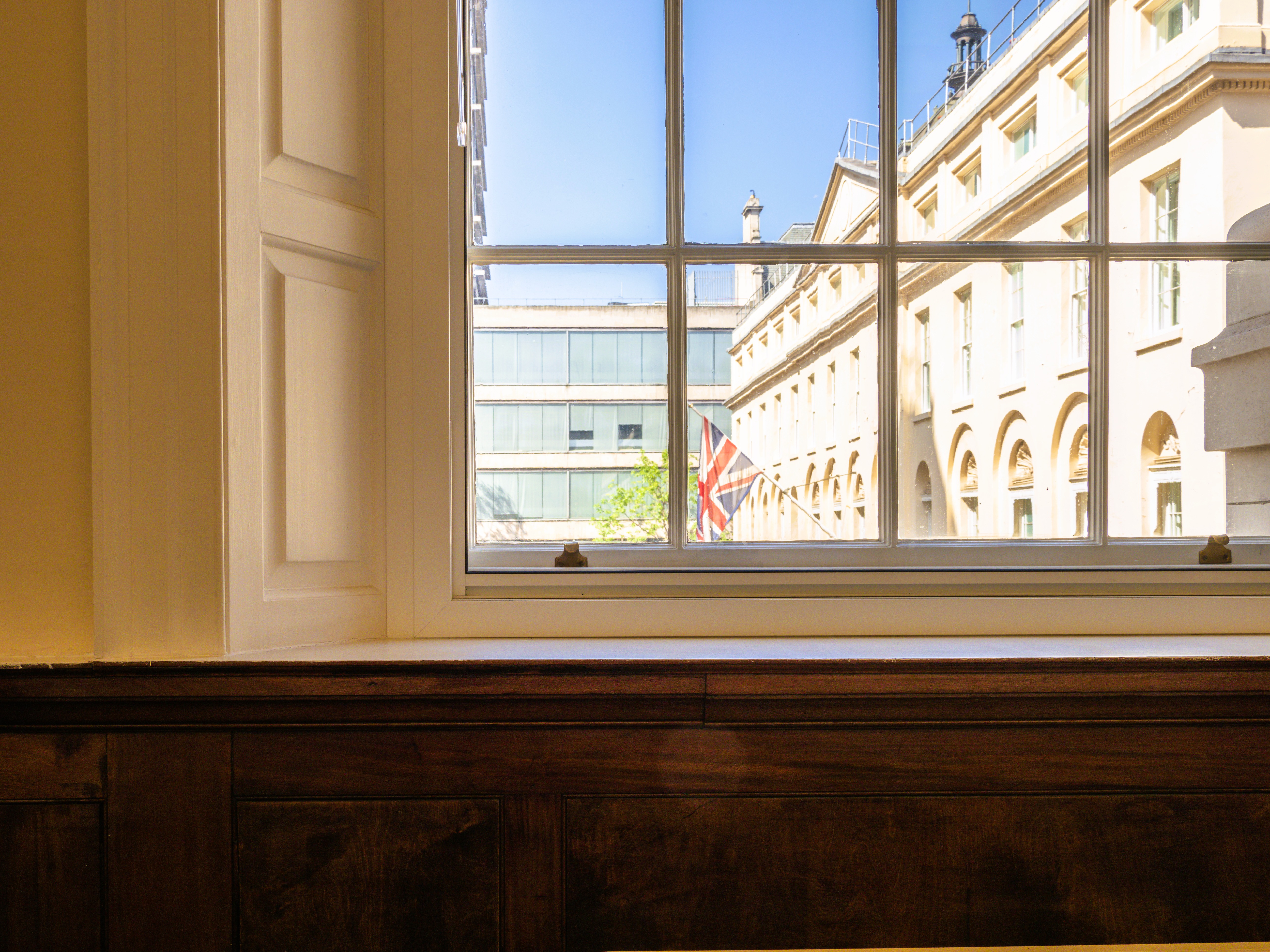
Pitfall #2: misallocating secondary glazing as an “envelope” scope Secondary glazing is frequently treated as part of the building envelope, particularly on Cat A fit-out projects, even though it is installed internally. This misallocation matters because it affects responsibility for surrounding construction, interface coordination and whether enabling works have been properly allowed for. As a result, assumptions are often made about reveals, tolerances and fixing conditions that don’t reflect site reality, increasing the risk of variation and cost creep. As a retrofit solution fitted into openings that were never designed for it, secondary glazing relies heavily on accurate assumptions at tender stage. Reveals are critical: if they are not properly designed or allowed for, variations are likely. Accurate estimating therefore depends on:
- allowing for enabling works - existing reveals may require strengthening, repair or adjustment
- accounting for competing requirements - secondary glazing must share space with blinds, curtains, vents, window actuators and MEP
- functional coordination - ensuring compatibility with the primary window, ventilation strategy and cleaning regime
Top tips for delivery on site
On site, successful delivery relies on:- early design team involvement - read the checklist for Design Managers here
- early coordination with adjacent trades
- programming the detailed survey and installation to align with the end of the works - for more information, read the Site and Project Manager blog

Why early involvement makes a difference
Although secondary glazing is usually installed late, planning for it must happen early. With 60 years’ experience and thousands of windows delivered across heritage, commercial, public sector and complex refurbishment projects, Selectaglaze can:- talk you through the pros and cons of different ways to treat the same opening, aligned with the key requirement driving secondary glazing
- help you understand where cost really sits
- identify enabling works early, before they become variations
- ensure the glazing solution works with the fit‑out, programme and access strategy