The "Old" Cavendish Laboratory
An installation as intricate as the DNA helix discovered within its walls.
Cambridge University, Saunders Boston Architects, Pentaco Construction
The “Old” Cavendish Laboratory in Cambridge is home to 36 Nobel Prizes. The electron, neutron and structure of DNA were all discovered under its roof.
In the 1970s, the Cavendish Laboratory outgrew its historic home and moved to a larger, more modern site in West Cambridge. The original building remains in use today, but after more than a century, it was in need of some attention.
The University of Cambridge’s Estates Division embarked on an ambitious renovation project.
As part of the project, Selectaglaze installed secondary glazing to improve energy efficiency and thermal insulation while protecting the building’s original windows. The programme spanned four years and three phases.
The first phase saw 73 units installed, followed by a further 48 windows on the second floor during phase two. The third phase, focusing on Old Cavendish East, is ongoing.
Read on for the full story. And if you have a similar project, talk to us here.
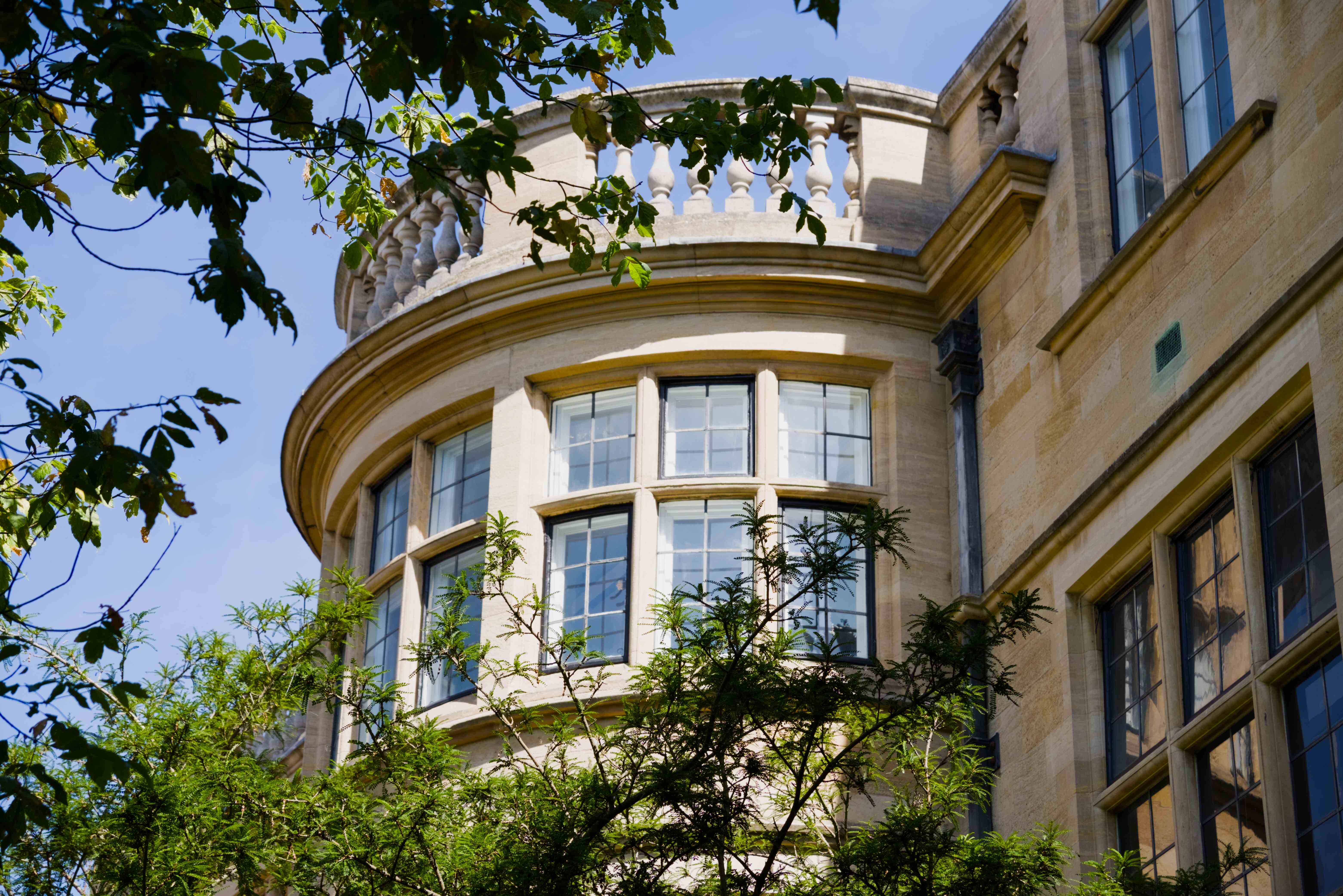
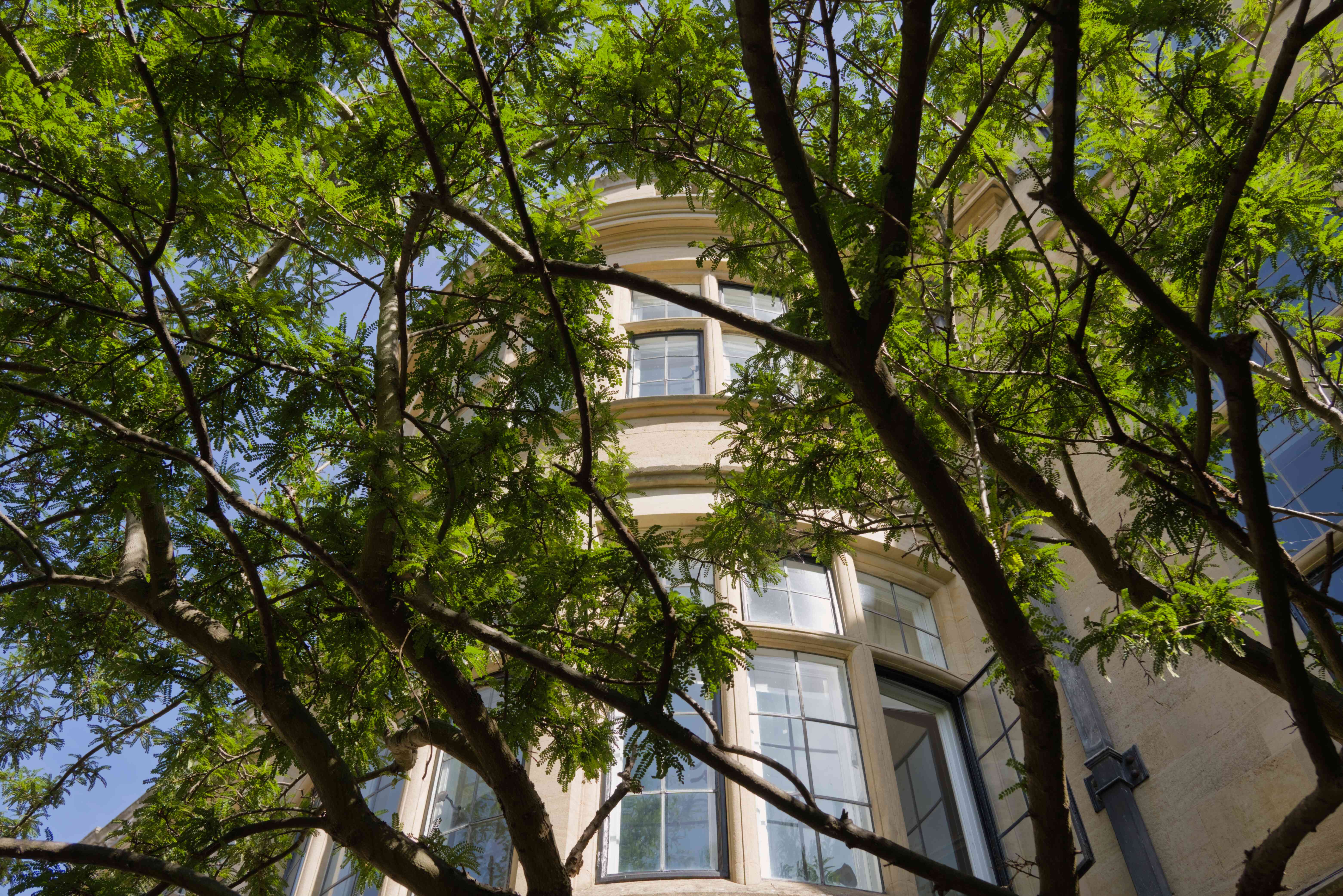
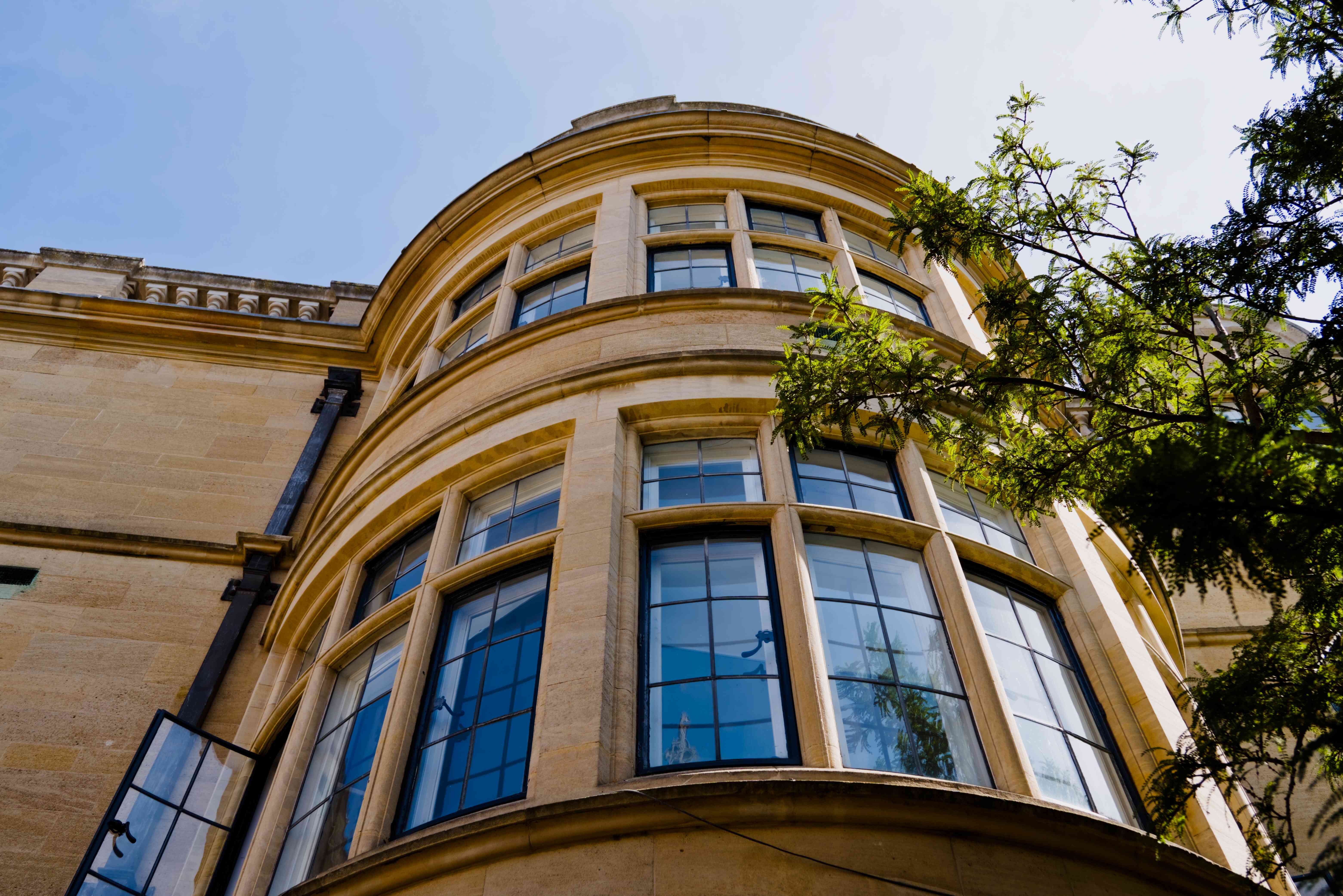
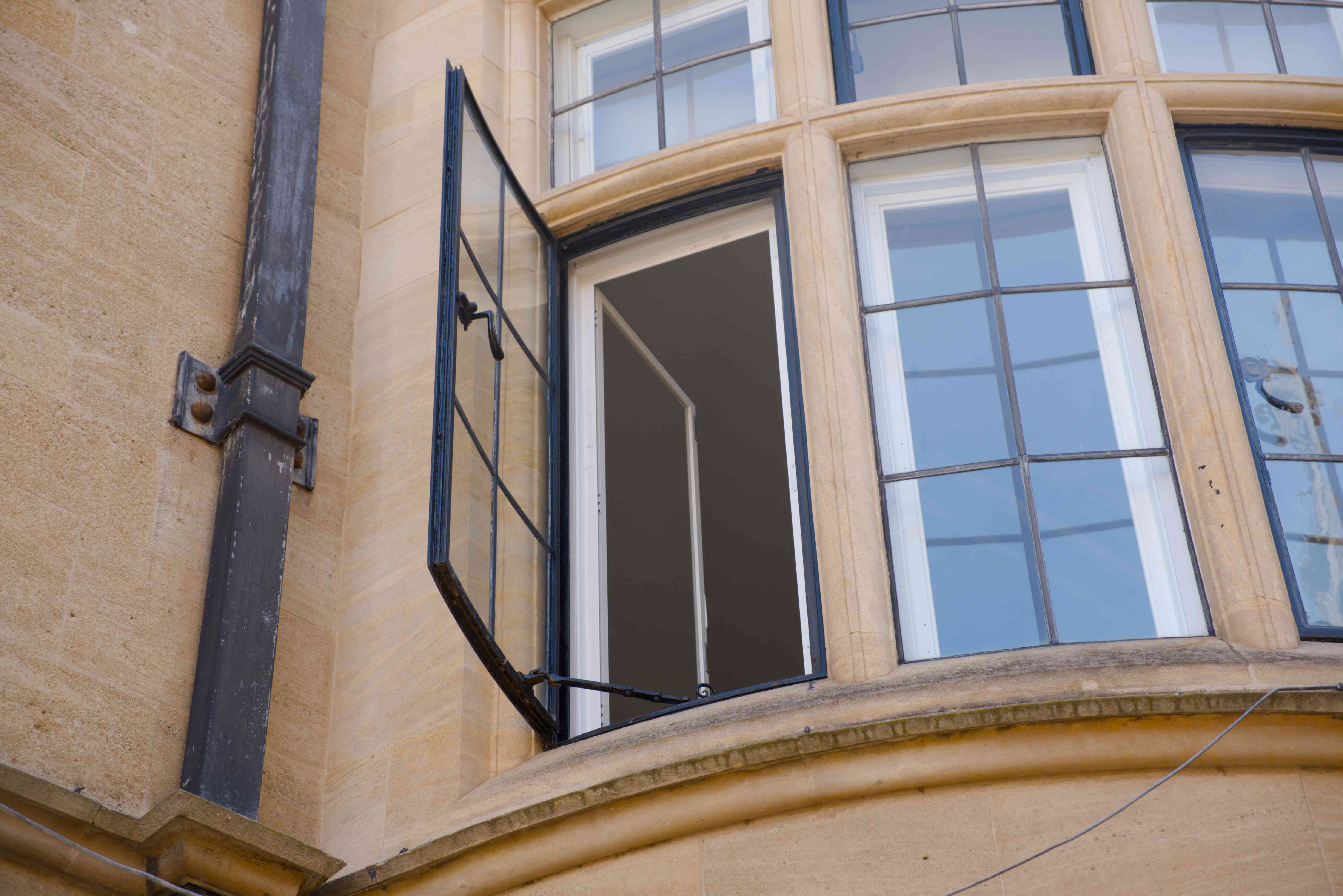
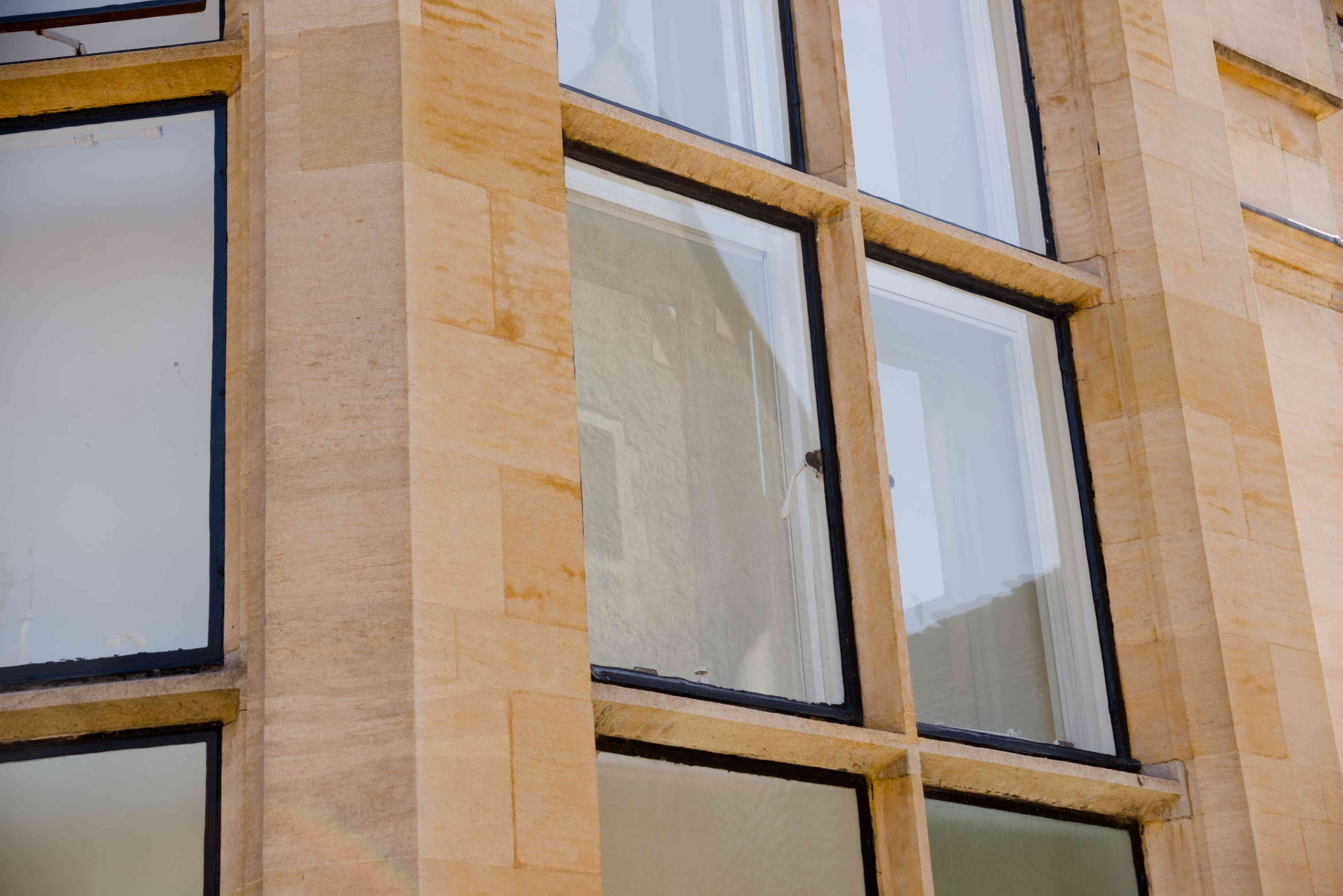
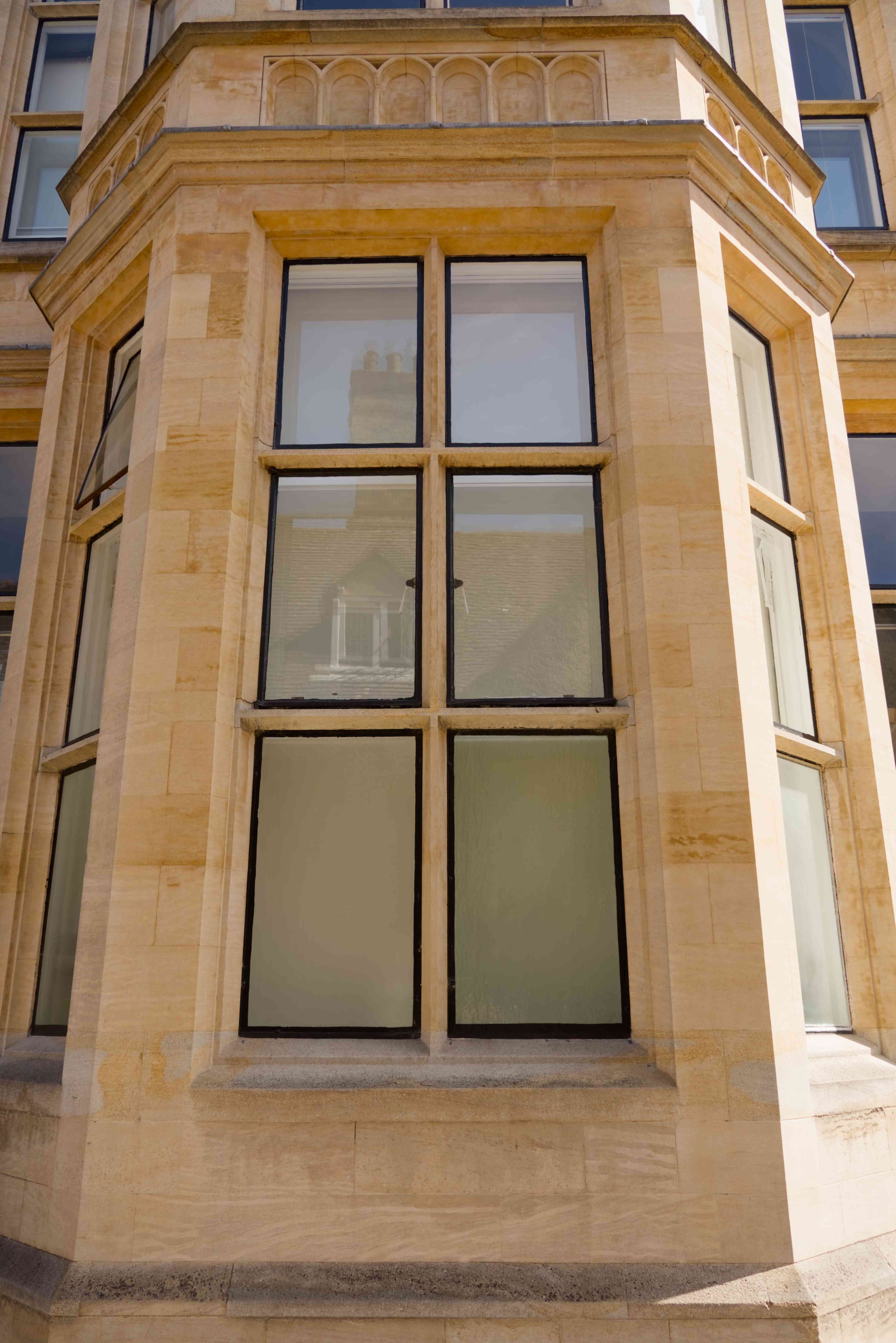
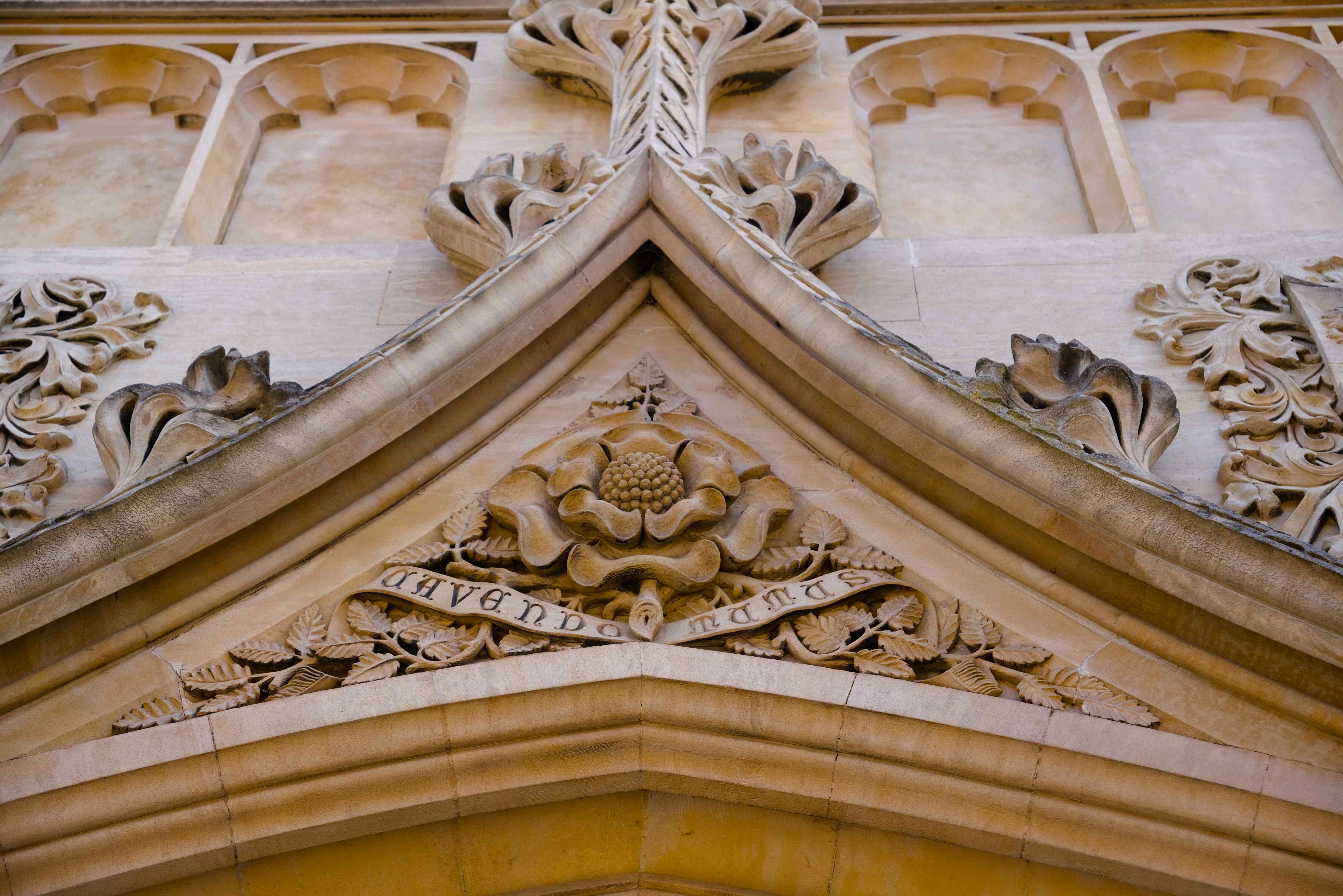
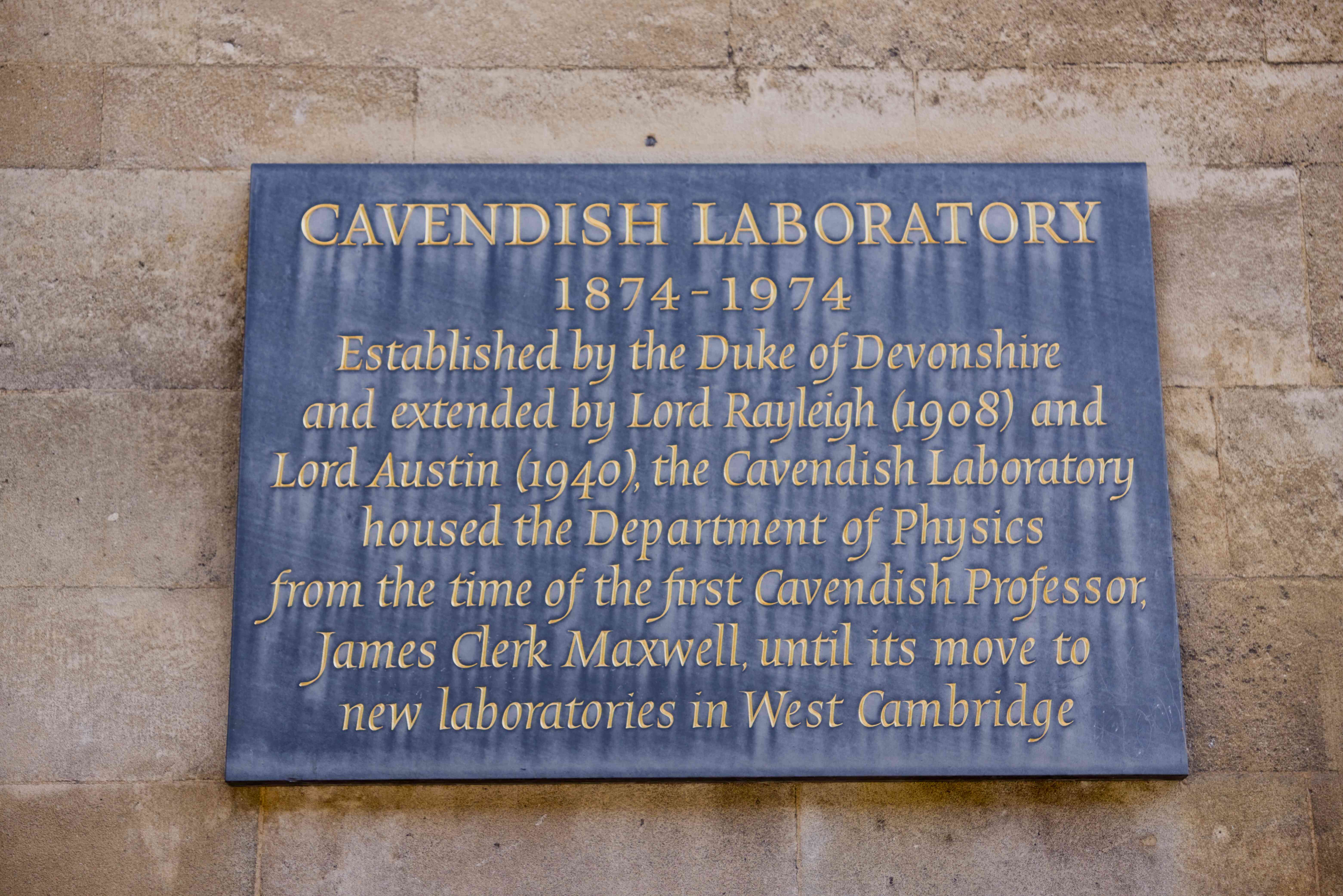
The Old Cavendish Laboratory buildings
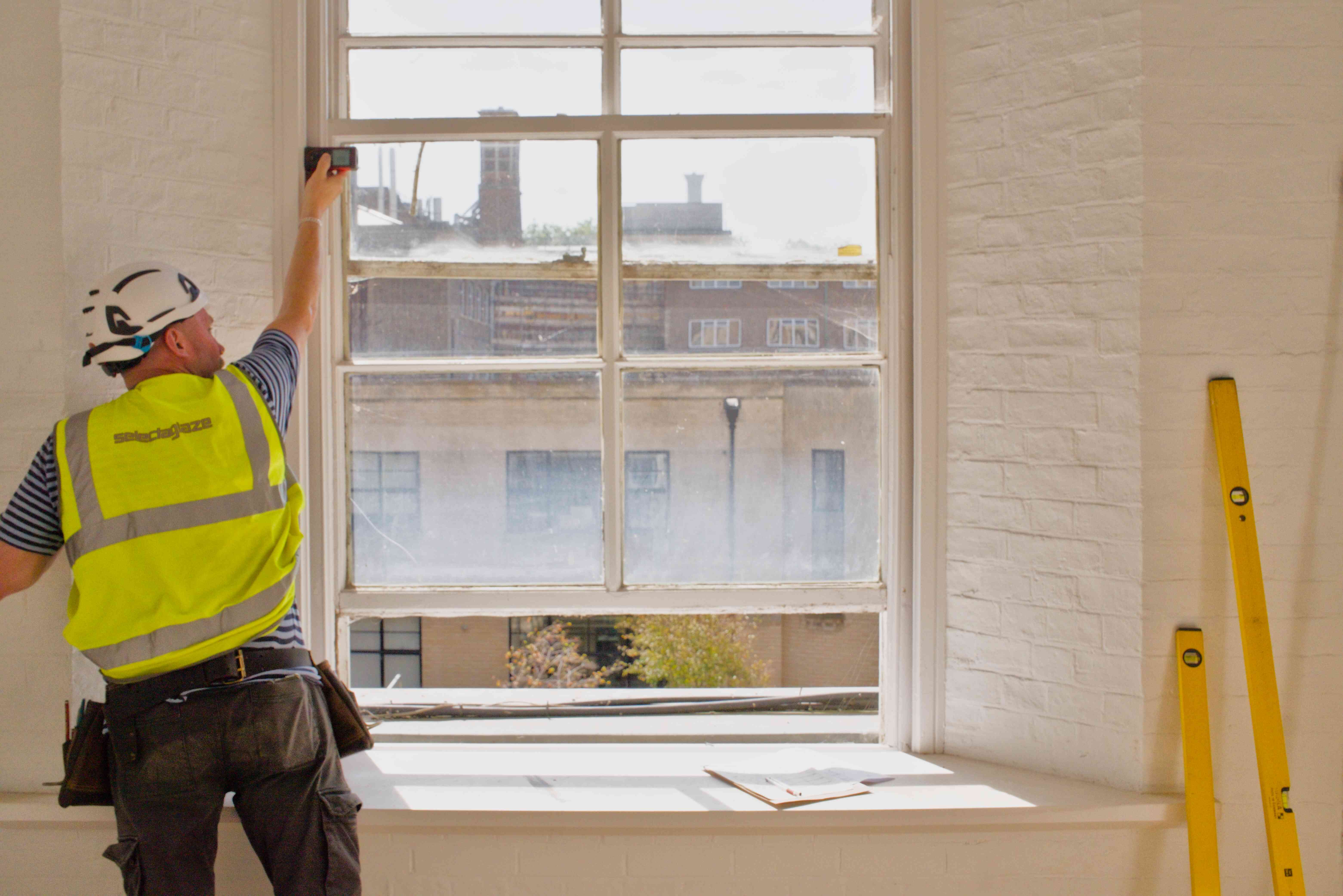
The University of Cambridge appointed Saunders Boston Architects to oversee the project. During the initial enquiry stage, Selectaglaze was invited for a site visit. “Our goal was to understand exactly what the University wanted to achieve,” explains Nic Dabney, Technical Sales Advisor at Selectaglaze. “We worked closely with the architects to develop the most discreet solution, balancing performance requirements with the building’s historic character.” “We viewed all the windows, as each unit is made bespoke for every opening. A lot of time was spent on the design process, discussing specification and fixing details, enabling the architect to produce elevation drawings of the windows incorporating our products. Then, we provided estimates alongside a detailed window schedule, updated floor plans, and a final package to be used for a listed building application.” Phase One saw the installation of 73 units. This comprised a combination of our Series 10 horizontal sliding units, Series 20 vertical sliding units, Series 31 lift outs, Series 45 side-hung casements, Series 47 slimline casements and Series 90 heavy-duty vertical sliders. A broad cross-section of the Selectaglaze product range reflects the complexity of the project and the flexibility required to accommodate a wide variety of historic window styles.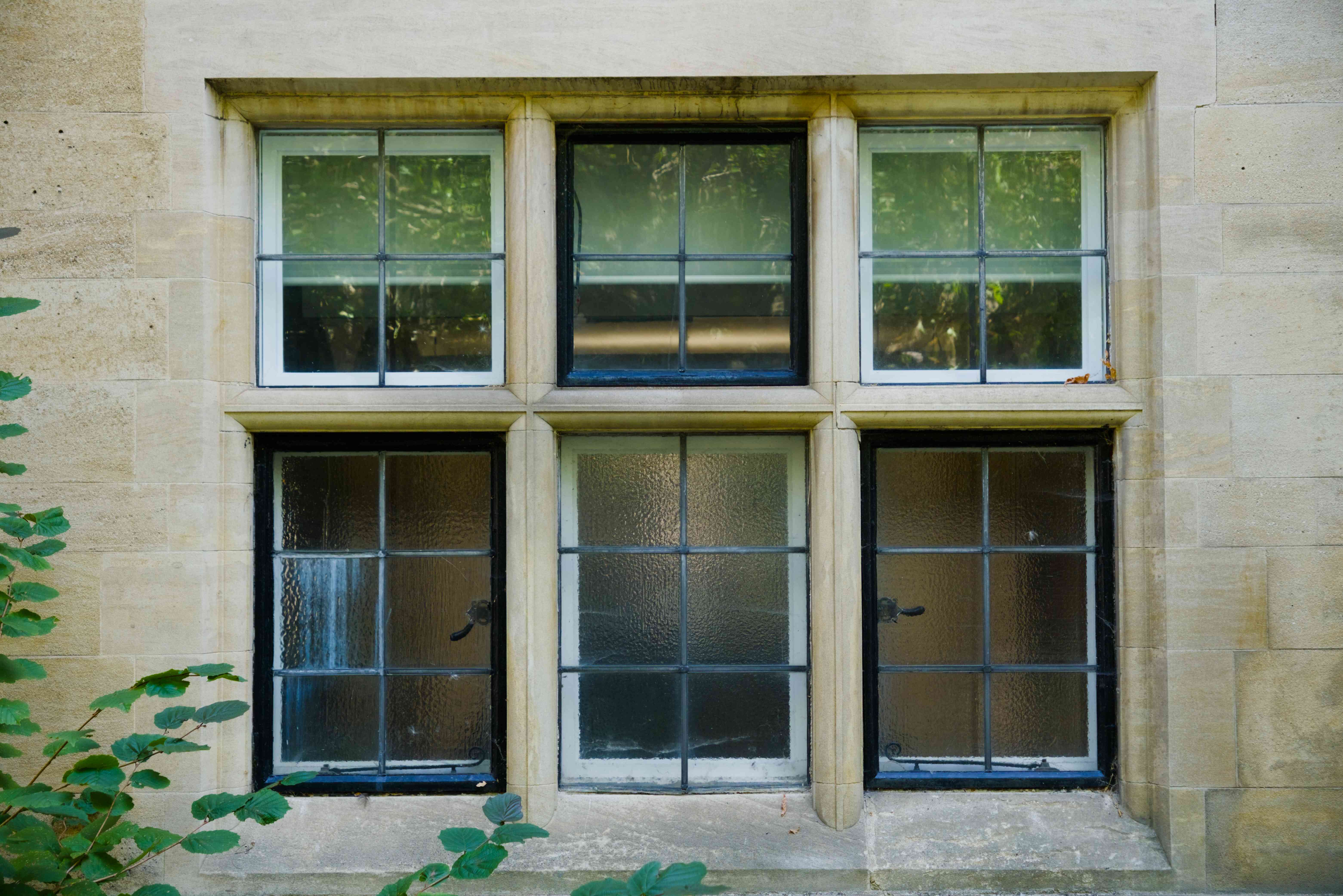
Every element is unique
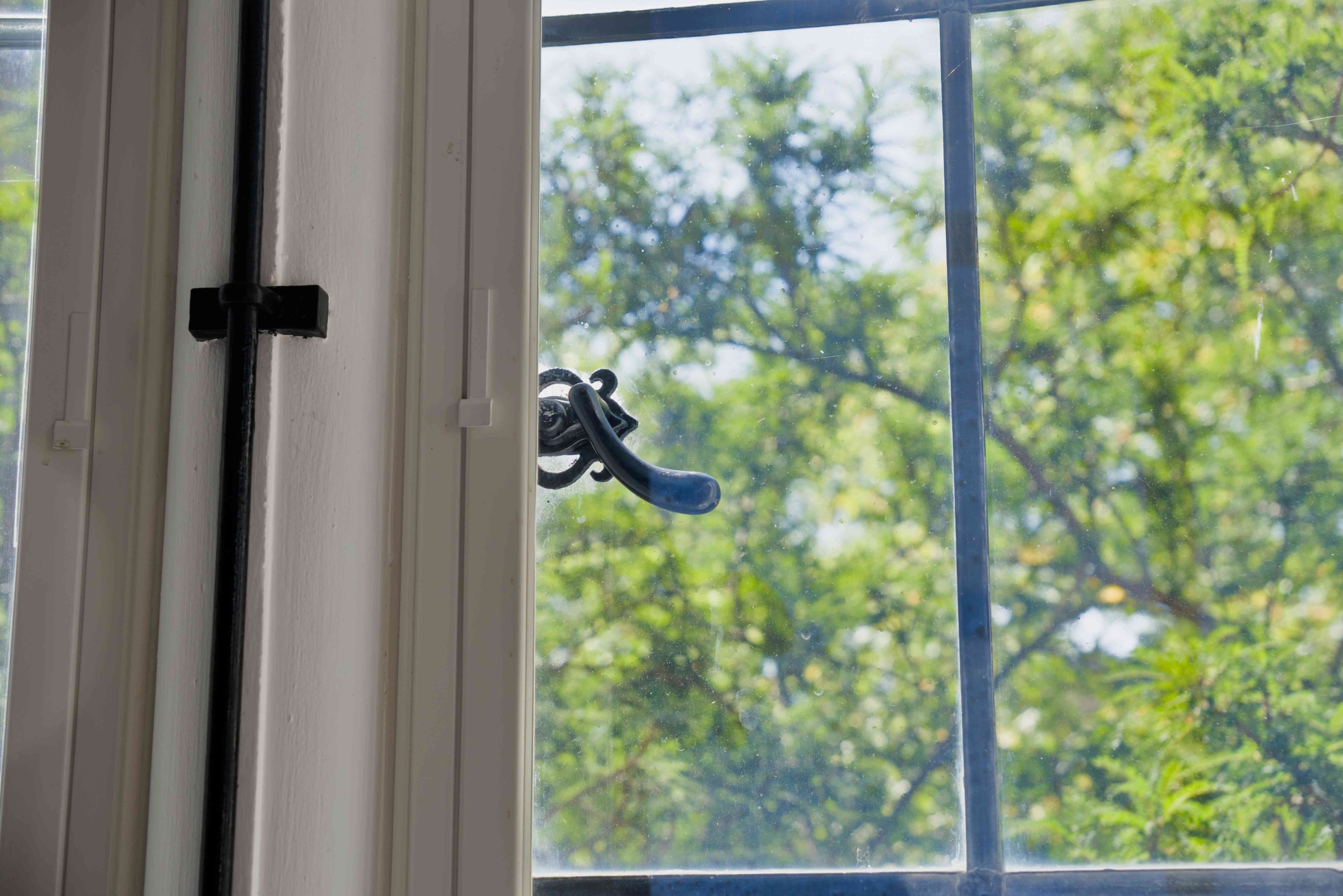
The defining feature of the Cavendish project was the little details, says Nic. “With university buildings in Cambridge and Oxford, it can be tempting to look at a building from the outside and assume the windows are all similar. Once you get inside, the level of detail is incredible. Every opening has its own challenges. It’s those details that ultimately determine the most appropriate solution. The priority was always to achieve the best performance while maintaining ease of use, which is why we used such a wide range of Selectaglaze products.” Nic says the project's success was driven by the work carried out before installation began. “The installation itself was challenging, given the age of the buildings and the variety of window types involved. However, the detailed surveys, careful design work and thorough preparation carried out beforehand made a huge difference. Every window was considered on its own, because that's the only way to achieve the best results.” Selectaglaze’s bespoke timber subframe is particularly valuable on a project like the Old Cavendish. In historic buildings with irregular stonework and complex surrounds, it allows us to achieve a precise installation while minimising impact on the existing fabric. Several windows, for example, had original opening mechanisms that prevented the installation of secondary glazing. “On those windows, we agreed with the architect that the original mechanisms were too significant to remove, so we developed a solution around them. Secondary glazing was installed across around 70% of the window area, while the untreated sections allowed the original opening mechanisms to continue providing natural ventilation.” Despite these constraints, the project still delivered a significant improvement in thermal performance. "Originally, the metal-framed windows delivered a U-value of around 5.7W/m²K. With secondary glazing that was reduced to about 1.8W/m²K. For the windows with winding gear, 70% of the window opening was insulated, and that's a significant improvement.” With Phase One complete, Saunders Boston Architects requested Selectaglaze for a second phase, a further 48 units for the second floor of the Old Schools building.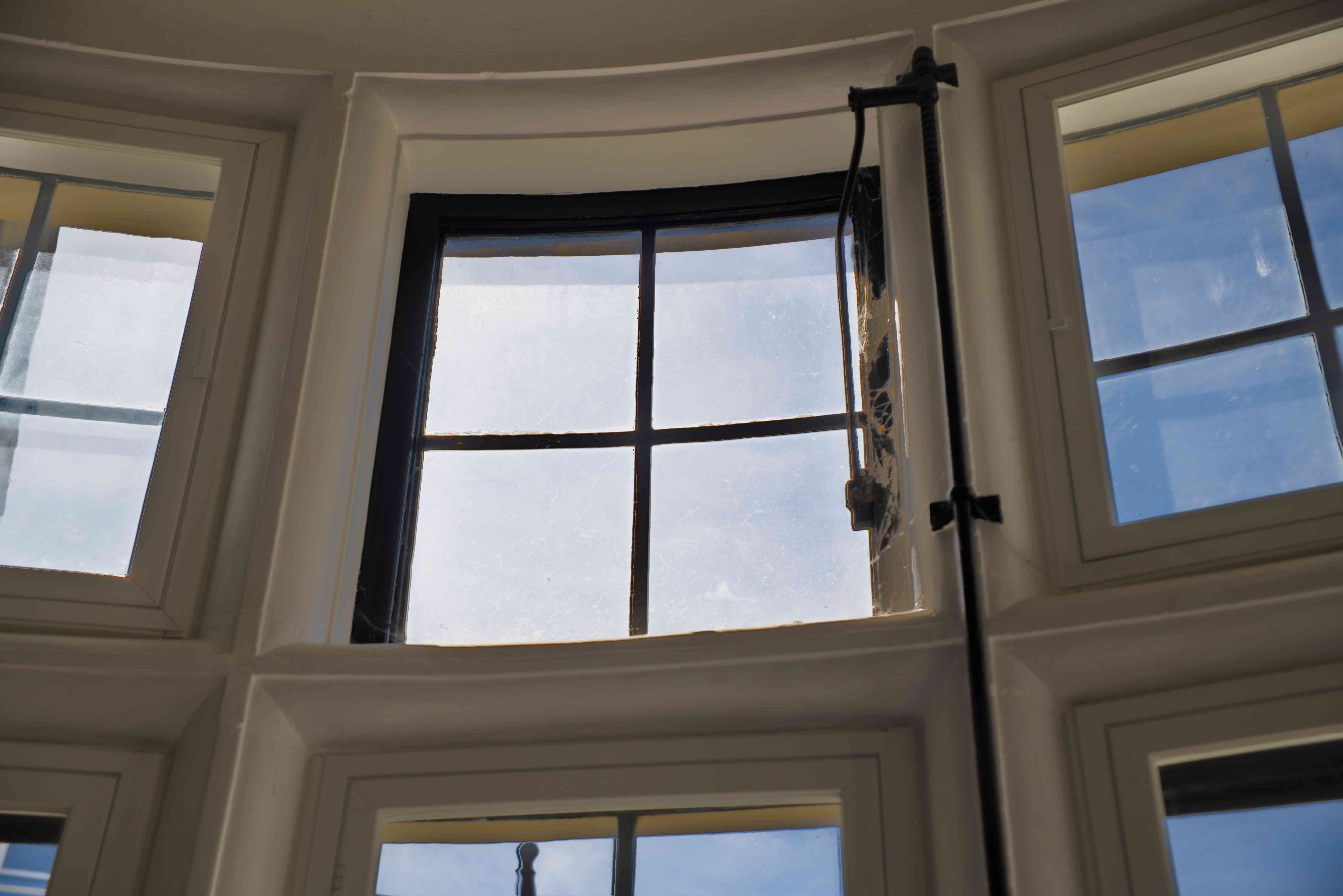
Old Cavendish East Wing
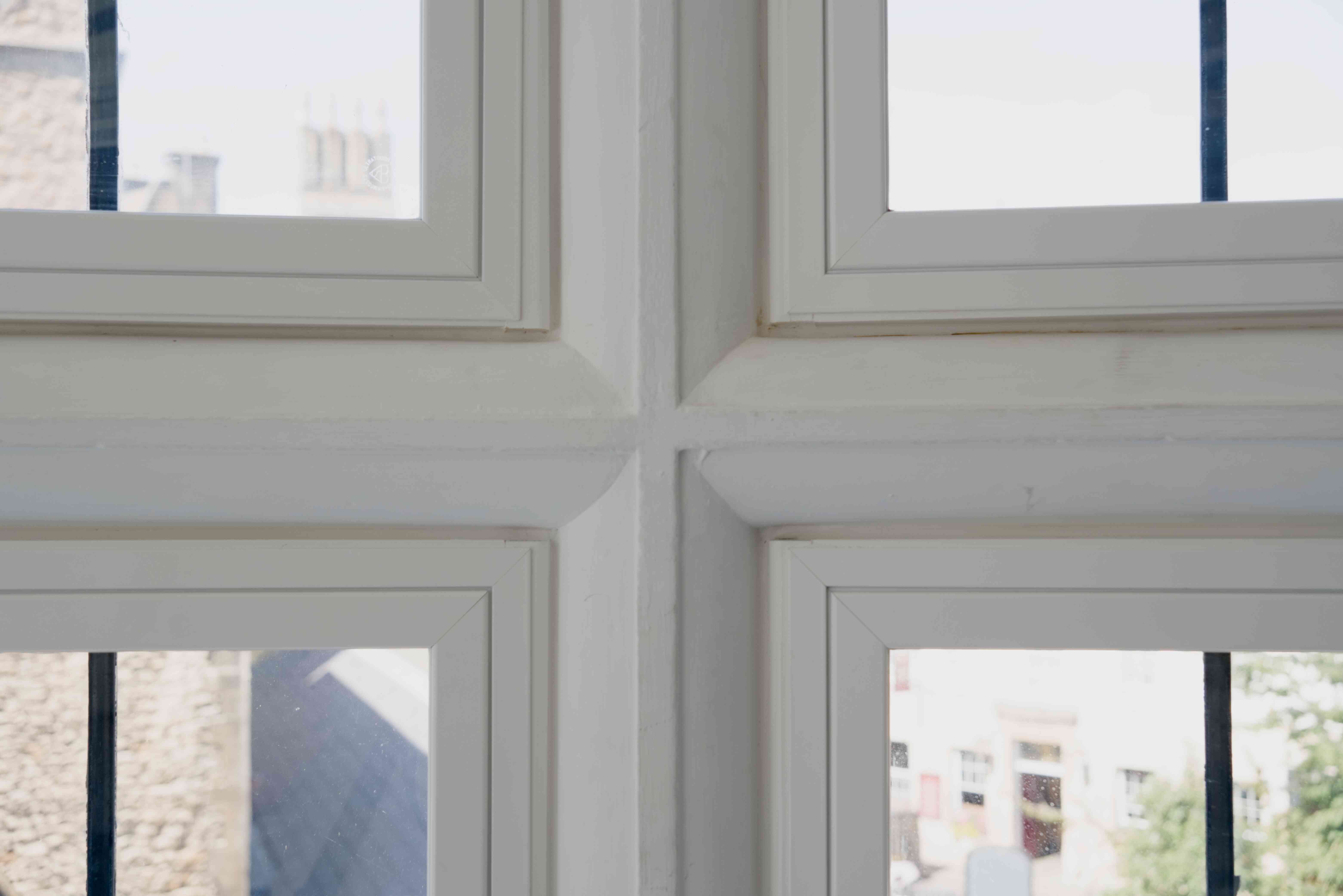
A year later, phase three began and was conducted directly for the University’s Estates Division, with RG Carter serving as the main contractor. The work focused on Old Cavendish East. Once again, a major challenge was gaining listed building consent. A detailed window schedule was produced for every opening, with CAD drawings showing the products in situ. For Nic, the schedule demonstrates just how much work goes into planning a project like this. “If you don't put the work in during the planning stage, the project becomes much more difficult. That's especially true with heritage buildings. Conservation officers are there to protect them, and rightly so, but protecting these buildings also means helping them remain fit for purpose. Old buildings can be cold and draughty, so it's about finding the right balance between conservation and performance.”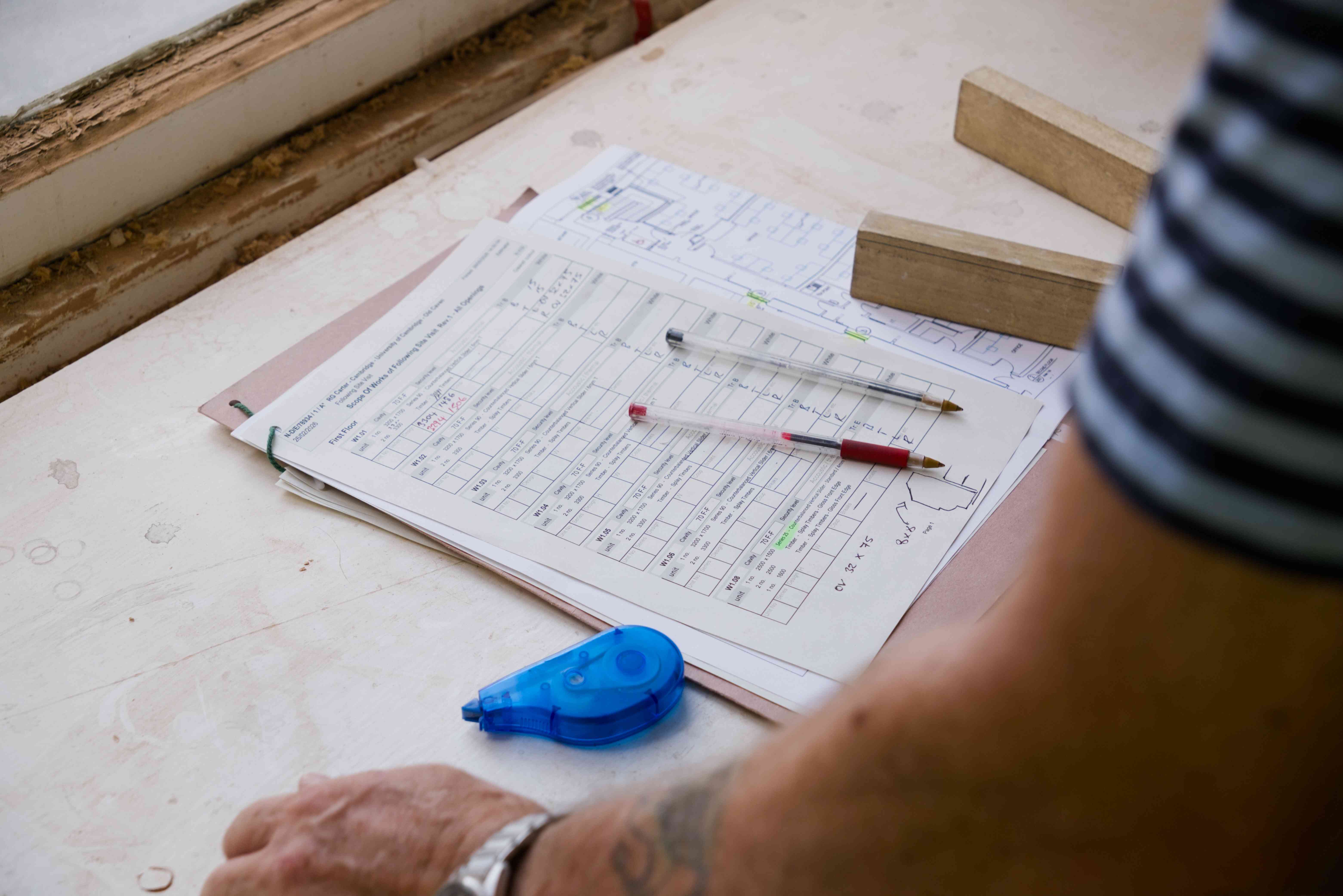
A square peg in a round hole
Practical considerations also played a role in determining the scope of the works. “Some of the windows on the first floor had electrical cabling, trunking and fixed furniture positioned directly in front of them, meaning secondary glazing would have required extensive enabling works. “Quite often, the most effective approach is not to treat every window. Instead, it's about identifying the priority spaces and concentrating our efforts where they will have the biggest impact.” For this project, Nic felt that meant focusing on the areas where students and staff spend the most time. “My advice is always to prioritise the rooms where people sit, work or study. That's where occupants are most aware of heat loss, draughts and external noise. Improving those spaces first often delivers the most noticeable improvement to comfort and wellbeing. “We never want customers spending money unnecessarily. The goal is to achieve the greatest improvement for the available budget; actually, it’s often the case that treating a proportion of the windows can deliver most of the benefit. Our advice it always to fit secondary glazing where it will have the greatest effect.” Another consideration is that buildings need to breathe. “It's important not to eliminate ventilation altogether. Maintaining appropriate air movement can help manage moisture and reduce the risk of condensation. The best outcome is often achieved by improving comfort and performance in key occupied spaces while allowing the building to continue to breathe.”The final twist
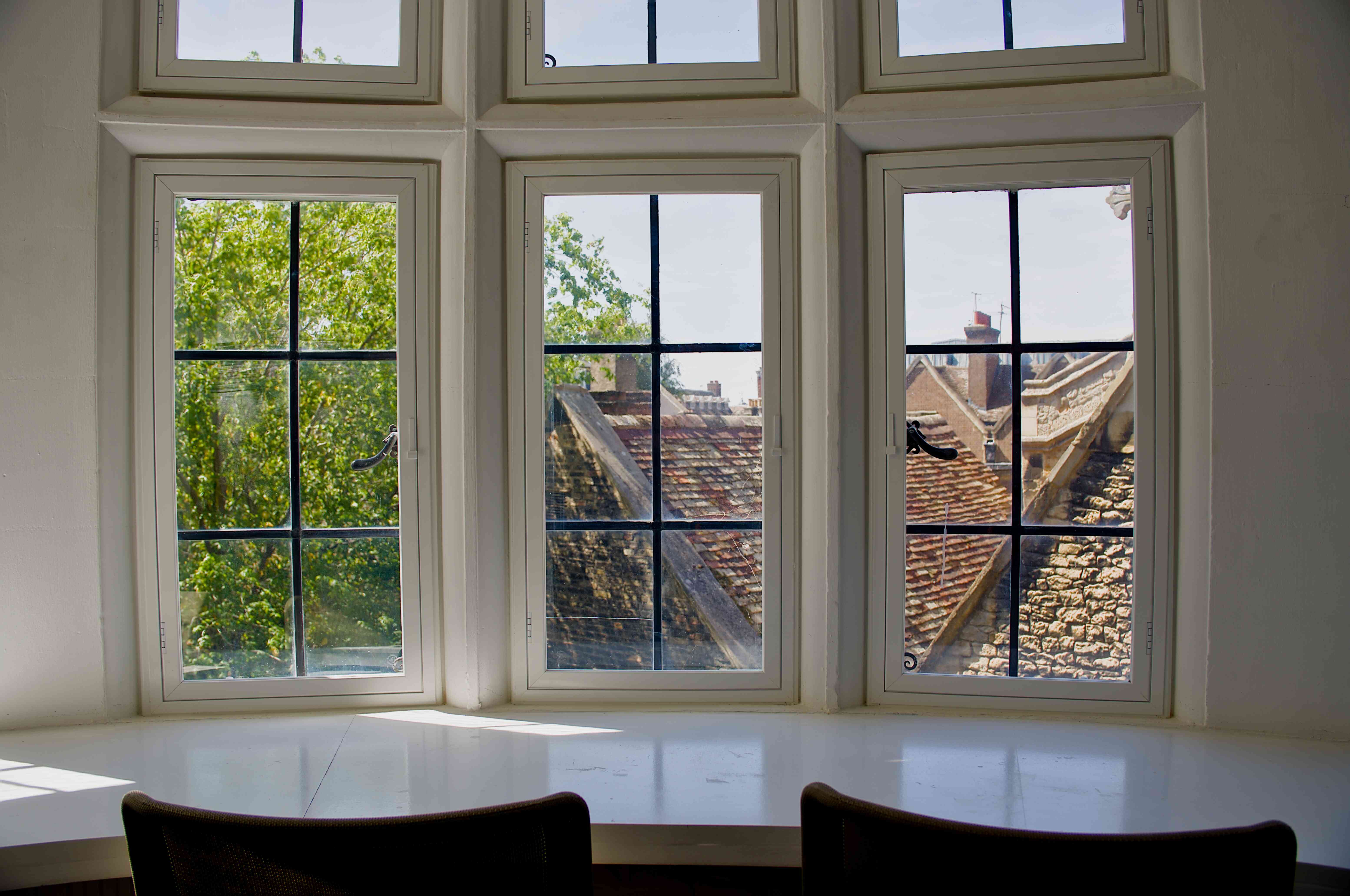
Working on the Old Cavendish Laboratory was a highlight for Nic. “I love the stonework and I particularly enjoyed the challenge of the bay windows. Normally, we would install a separate unit and in this case the amount of stone available for fixing was extremely limited. Developing a solution that worked both technically and aesthetically was a real achievement. “More than anything, I enjoy working on historic buildings. They demand careful thought, attention to detail and a solution where every element has to work together perfectly.” Much like DNA itself. Have a similar historic building project? Get in touch with our team.Never miss one bit!
Subscribe to our monthly Newsletter to receive updates on our news and CPD initiatives.
Thank you!
Thanks for joining our mailing list.
Our use of cookies
We use cookies to provide you with a great experience and to help our website run effectively. You can find out more and change your cookie preferences anytime on our Cookie Policy page.